Reading a hotel’s green story through its EV chargers
When you book a luxury stay with an electric vehicle, the charger is no longer a side amenity. It is the quiet test of whether the hotel EV charging renewable sourcing RECs story is real or just a line on the website. As an EV driving solo traveler, you feel this every time you arrive with 14 percent battery and a dinner reservation in 40 minutes.
Most premium properties now mention renewable energy somewhere in their sustainability page, yet very few explain what actually powers the charging infrastructure in the parking area. You see a sleek charging station beside the entrance, but you rarely see clear data about the level of renewable electricity behind that reassuring green icon. The gap between the marketing and the physical vehicle charging experience is where range anxiety quietly returns, even for seasoned drivers of electric vehicles.
To read a property’s energy story, start with the basics of charging demand and energy demand. Ask whether the hotel’s power for EVs comes from onsite solar capacity, from wind energy contracts, or from generic grid electricity with renewable sourcing RECs layered on top. The more precise the figure they can share about their energy production mix at different times of day, the more you can trust that the hotel EV charging renewable sourcing RECs narrative is grounded in real infrastructure rather than vague aspiration.
Onsite solar, storage and the limits of the perfect story
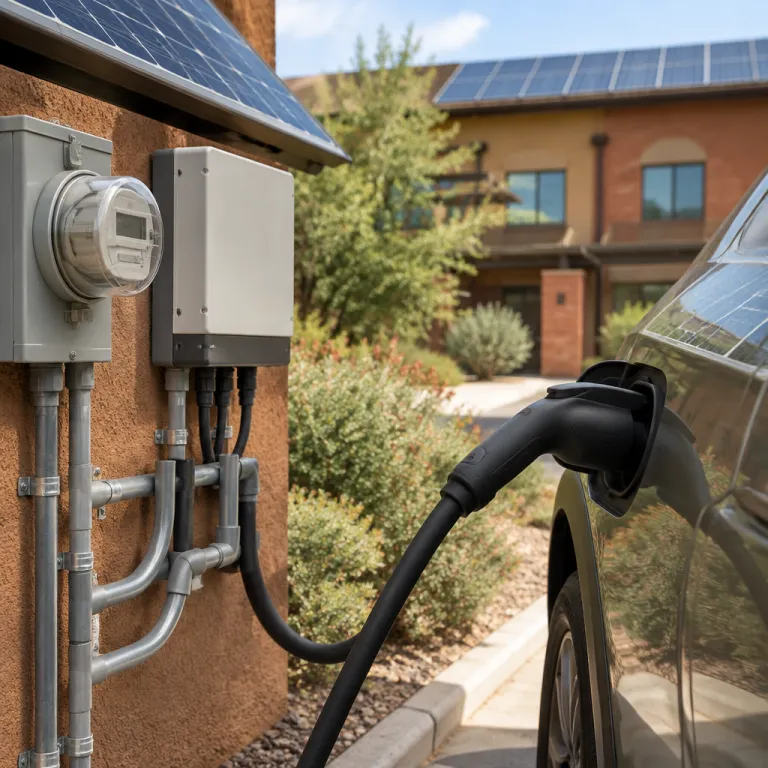
The purest version of sustainable hotel EV charging renewable sourcing RECs is simple to describe and hard to execute. Panels on the roof, a battery in the back of house, and a row of chargers that sip from that local energy production before touching the wider grid. In this model, the electric vehicle in your bay is part of a tight ecosystem where generation, storage and vehicle charging all sit within a few metres of each other.
Reality is more nuanced, especially in dense urban areas where roof space and solar capacity are limited. Solar PV output overnight is literally zero ; as one technical brief puts it, “Solar panels produce zero without storage or sun”, which means that without a battery or thermal storage, your midnight charge is coming from somewhere else. Hotels that invest in batteries use them as an energy buffer, storing excess daytime renewable energy so that fast charging sessions at peak times in the evening do not simply add to local electricity demand.
For you as a guest, the key is to understand how far the property has gone beyond the photo of panels. Some resorts in sunny regions now publish real time dashboards in the lobby, showing the number of kilowatts flowing from onsite solar, from the grid and into charging stations. Others, especially those aligned with turismo verde style programs, explain in detail how their charging infrastructure supports both guests and limited public charging in the surrounding area, a level of transparency you can often preview in depth on specialist guides to sustainable EV hotel stays such as this analysis of turismo verde and EV ready luxury hotels.
RECs, green tariffs and what they really guarantee
Most city hotels cannot cover their full charging demand with rooftop panels, so they turn to renewable sourcing RECs and green tariffs. A renewable energy certificate, or REC, represents one megawatt hour of renewable energy produced somewhere on the grid, which the hotel can claim against its own energy demand. On paper, this allows a property to say that its hotel EV charging renewable sourcing RECs strategy delivers one hundred percent renewable energy, even if the physical electrons reaching your car come from a mixed grid.
This is where a charger literate traveler needs to separate accounting from physics. A REC backed contract supports renewable energy production in aggregate, but it does not mean that the charging station beside the valet is literally fed by wind energy at the moment you plug in. As one grid expert frames it bluntly, “Can solar power supply you at night? No, solar panels stop producing at night; storage or grid must fill gap”, which is why many hotels rely on off site wind farms or hydro plants to balance their electricity demand profile.
The honest properties are clear about this distinction and explain that their charging infrastructure is physically grid connected, while their hotel EV charging renewable sourcing RECs policy ensures that an equivalent number of megawatt hours of renewable energy enter the system over time. When you read a sustainability page, look for language that acknowledges peak demand in the evening, mentions smart charging or time of use tariffs, and links to independent analysis rather than just a green badge ; guides that argue that EV charging is the only sustainability metric that really matters at hotels, such as this deep dive on why charging beats badges, are usually a sign that the property understands the difference.
Overnight charging, grid mixes and why timing matters
For most EV drivers, the perfect hotel stay is simple ; arrive, plug in, sleep, wake up to a full charge and a good breakfast. Yet the times when you charge shape the carbon story of those kilowatts far more than most sustainability blurbs admit. In many regions, midday has the cleanest renewable energy mix thanks to solar peaks, while overnight charging leans more heavily on dispatchable plants that respond to steady electricity demand.
Grid operators across the United States publish granular data about how much renewable energy and how much fossil generation is on the system at different times of day. When you plug in at 22.00, the power behind your charging station may come from a blend of wind energy, hydro and gas, even if the hotel has purchased enough RECs to cover its annual energy production footprint. Some forward looking properties now use smart charging to shift non urgent vehicle charging to periods when real time grid carbon intensity is lower, smoothing peak demand and reducing the strain on local capacity.
As a traveler, you can nudge this behaviour by asking whether the hotel offers scheduled charging or dynamic power management. A property that can explain how its charging infrastructure responds to local energy demand, how many charging stations it operates, and what level of power each station can deliver at different times, is usually one that has done serious analysis of both guest experience and grid impact. Articles on plug and charge technology, such as this guide to seamless hotel plug and charge experiences, often highlight these behind the scenes systems, because they shape both convenience and carbon.
Questions to ask before you book an EV friendly luxury stay
When you filter a premium booking site for hotels with electric car chargers, you see icons, not infrastructure. Turning that icon into a reliable overnight energy plan means asking a few precise questions before you commit. The aim is not to interrogate the front desk, but to understand whether the hotel EV charging renewable sourcing RECs story aligns with the way you actually travel.
Start with the basics ; how many electric vehicles can the property charge at once, and at what power level. Ask whether the chargers are reserved for guests or shared with public charging users, because that affects both availability and charging demand at peak times. Clarify whether the stations offer fast charging for quick top ups or mainly level 2 power for slower overnight sessions, and whether smart charging is used to balance capacity when several EVs plug in at the same time.
Then move to the energy side of the conversation and listen for specifics rather than slogans. A credible answer will mention whether onsite solar contributes to vehicle charging during the day, whether any battery storage supports overnight loads, and how much of the remaining energy demand is matched with renewable energy through contracts or RECs. If the team can share a rough figure for the share of wind energy or other renewables in their annual mix, and perhaps reference a sensitivity analysis or third party review of their charging infrastructure, you can be confident that this is a property where the electrons behind your room key have been taken seriously.
How to read numbers, maps and labels like an energy insider
Once you start looking closely, every hotel website, booking platform and EV map is full of clues about the real state of charging infrastructure. The number of charging stations, the stated power per station, and whether the chargers are in a valet area or a distant corner of the car park all tell you something about how central electric vehicles are to the guest experience. A property that treats EVs as core guests, not occasional visitors, usually invests in higher capacity hardware and clearer information.
When you see a sustainability label, pair it with a quick analysis of the energy context around the property. Is the hotel in a region with strong wind energy or hydro resources, where renewable energy can realistically cover a large share of electricity demand, or in a dense urban grid where off site contracts and RECs are doing most of the work. Look for maps or figures that show solar capacity on site, or references to 24/7 carbon free matching products, which indicate that the hotel EV charging renewable sourcing RECs strategy is aligned with the latest thinking in energy production rather than yesterday’s offsets.
Finally, remember that public charging options near the hotel can be a useful back up, but they rarely match the convenience of plugging in at check in. For a solo explorer planning long range trips, the best luxury stay is the one where the charging station is easy to reach, the staff understand both the hardware and the energy story behind it, and the property can talk fluently about charging demand, peak demand and real time grid conditions. When a hotel can explain where your overnight kilowatts actually come from, you are no longer just a guest with an electric vehicle ; you are part of a quiet, precise shift in how travel and power systems meet.
FAQ
Can solar panels power my hotel EV charging session at night ?
Solar panels do not generate energy production after sunset, so they cannot directly power electric vehicles overnight. Without battery storage, a hotel must rely on the grid or other renewable energy sources for vehicle charging during night hours. This is why many properties combine daytime solar capacity with storage or renewable sourcing RECs to support hotel EV charging renewable sourcing RECs strategies.
What is the difference between onsite renewables and RECs for hotel charging ?
Onsite renewables such as rooftop solar or small wind energy systems physically feed power into the hotel’s charging infrastructure. Renewable energy certificates, by contrast, are accounting instruments that match the hotel’s annual electricity demand with renewable energy produced elsewhere on the grid. Both approaches support cleaner charging stations, but only onsite systems change the actual energy mix at the charging station in real time.
How can I tell if a hotel’s EV chargers will be available when I arrive ?
Check how many charging stations the hotel operates, whether they are reserved for guests, and what power level they offer. Properties that expect high charging demand often use smart charging and clear signage to manage peak demand and avoid queues. When in doubt, call ahead and ask the front desk to confirm the number of electric vehicles they can charge simultaneously.
Does fast charging at a hotel always mean higher emissions ?
Fast charging draws more power in a shorter time, which can increase local electricity demand and stress capacity if it coincides with grid peaks. However, if the hotel uses smart charging, onsite storage or contracts that align with high renewable energy periods, fast charging can still be compatible with a strong hotel EV charging renewable sourcing RECs policy. The key is how the property manages timing, not just the speed of the charge.
Are public charging options near a hotel a good substitute for onsite chargers ?
Public charging in the surrounding area can be a useful safety net, especially in regions with mature charging infrastructure. Yet for long range trips, onsite chargers reduce range anxiety and simplify route planning, because you can align rest, meals and sleep with your charging times. A hotel that combines robust onsite chargers with nearby public charging gives EV drivers the most flexible and resilient setup.
References
U.S. Department of Energy – Alternative Fuels Data Center ; International Energy Agency – Global EV Outlook ; U.S. Energy Information Administration – Electricity Data Browser.