The urban EV reality when your city hotel has no garage
Luxury travelers increasingly arrive in an electric vehicle, only to find a city hotel with no garage on site. In dense historic districts, the building footprint leaves no space for a private parking garage, so even five star properties rely on shared parking or valet arrangements scattered across the city. That urban reality shapes how charging, parking and time management work for EV drivers who expect both comfort and a full battery by morning.
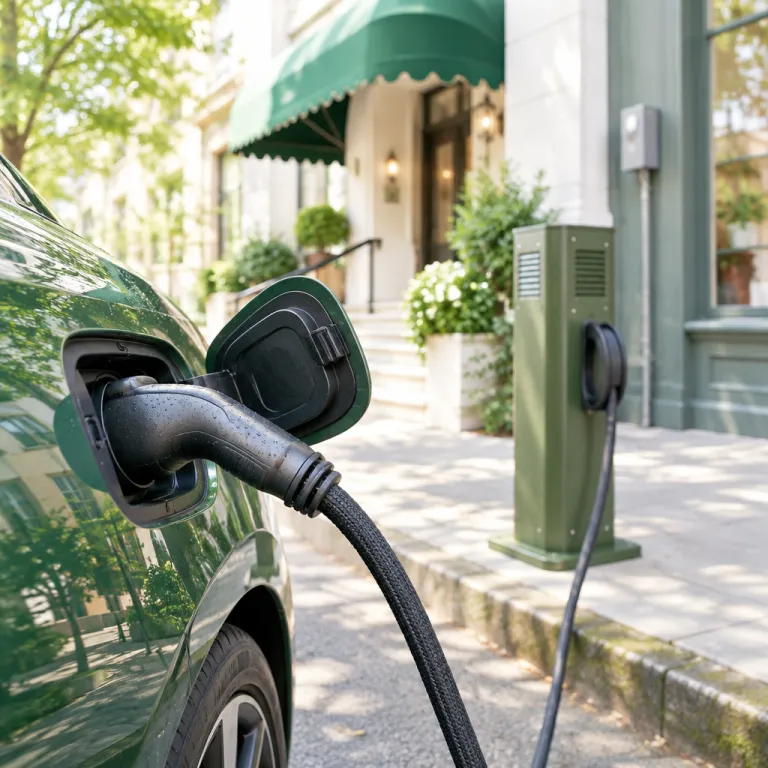
In older city centers from the east side of Manhattan to the south bank of the Thames, the most characterful addresses often sit on streets where you cannot even legally park for an hour. These hotels lean on nearby public charging stations, curbside ports and multi level parking structures, turning the surrounding city into an extended charging network instead of installing a single slow charging station in a cramped internal garage. For guests, the question is no longer simply whether the hotel has a charger, but how well it orchestrates the entire vehicle charging experience across that wider urban fabric.
Think of the city hotel no garage EV charging network as a stitched together ecosystem rather than a single asset. A well run property will map every compatible charging station within a ten minute walk, know which stations ports are usually free at peak hours, and understand local parking fee rules down to the half hour. Less prepared hotels still hand over a paper map, tell you to park somewhere near a public charging hub and leave you to manage time charging, billing and vehicle movements alone.
Valet to charger: when the hotel owns the off site experience
For business leisure guests, the gold standard in a city hotel no garage EV charging network is valet controlled charging. You hand over the keys at the entrance, the concierge confirms your preferred charging level and target departure time, and the équipe quietly manages every parking and charging decision in the background. This model turns a fragmented landscape of public charging stations and commercial parking garages into a seamless premium service.
In practice, the valet may drive your electric vehicle to a nearby multi level parking garage where the hotel has reserved ports on a specific level dedicated to overnight level charging. Some properties in the south of France or on the east side of Los Angeles even negotiate a flat fee per vehicle charging session with the operator, then bundle that cost into a transparent nightly EV charging fee on your folio. Others, especially in U.S. cities influenced by new EV ready building rules for hotels, work with partners that support both fast charging and slower time charging options in the same parking center, which is reshaping expectations for urban EV hospitality as explained in this analysis of California’s EV ready hotel regulations.
What separates a true luxury experience from a basic workaround is how much the hotel shields you from the friction of public charging. At the best addresses, the main content of the EV brief at check in is simple; you confirm whether you need fast charging electric service within an hour for a late meeting, or slower overnight time charging while you sleep, and the staff handles the rest. At weaker properties, you still hear phrases like “skip main steps with the valet and just drive yourself to that charging station two blocks east”, which signals that the hotel has not fully integrated the surrounding charging stations into a coherent service.
Mapping the curbside and public charging network like a local
Not every traveler wants to hand over their electric vehicle keys, and not every city hotel no garage EV charging network relies on valet. In many European and North American cities, the most efficient model is a curated map of curbside ports, public charging hubs and mixed use parking garages that function as an extension of the hotel. The difference between a perfunctory map and a genuinely insider guide can define whether your charging stop takes one hour or ruins your evening.
Serious properties maintain live data on which charging station clusters are reliable, which stations ports are often blocked by combustion cars, and which streets allow you to park for several hours without risking a ticket. They brief guests on connector types, advise whether your vehicle charging cable will fit local ports, and increasingly reference the shift in connector standards that affects U.S. drivers, a topic unpacked in depth in this guide to NACS, CCS and hotel charging compatibility. When done well, this turns the surrounding city into a predictable charging electric grid rather than a gamble.
For a one night stay, proximity to a reliable public charging center can matter more than a slow plug hidden in a cramped internal garage. If you can park near a fast charging station, top up your electric vehicle in under an hour, then walk back to the hotel through a lively city district, the experience feels efficient and even enjoyable. The key is that the hotel has already filtered the noise, so you do not need to skip main research steps or decipher confusing parking fee rules while your battery percentage ticks down.
What to verify before you book a city hotel without a garage
When you evaluate a city hotel no garage EV charging network, start by asking precise questions before you confirm a non refundable rate. You want to know exactly where your vehicle will park, which charging stations the hotel uses, and whether those stations ports are reserved or shared with the general public. Clarity on these points determines whether your stay feels like a well choreographed service or a scavenger hunt across the city at odd hours.
Ask whether the hotel controls any spaces in a nearby parking garage and whether those spaces include dedicated electric ports on a specific level. Clarify if there is a per hour parking fee, a flat overnight rate, or a bundled vehicle charging fee that covers both parking and electricity, because some properties advertise free charging but apply a steep parking charge at the partner center. You should also confirm who moves the car when time charging is complete; a well trained équipe will rotate vehicles between ports so that every guest receives the promised level charging by the agreed time.
Reliability matters as much as proximity, so request recent feedback on the chosen charging station network instead of relying on outdated marketing copy. In cities where public charging infrastructure is still patchy, a hotel that simply points you toward a generic charging station without monitoring uptime is offloading risk onto you. By contrast, properties that treat the surrounding charging stations as part of their main content of service will track outages, adjust recommended hubs by time of day, and proactively suggest when to park earlier if you plan a late night return from a golf course or a client dinner in another district.
Cities where the curb and the network beat the private garage
Some destinations are naturally suited to the city hotel no garage EV charging network model, while others still punish EV drivers who rely on street infrastructure. Northern European capitals with dense public charging, such as Oslo and Amsterdam, often provide more convenient curbside ports than many private garages in the same city. In these places, a well briefed concierge can direct you to a nearby charging station where you can park for a few hours, enjoy dinner, and return to an electric vehicle that is ready for the next leg south or east without stress.
Parts of North American cities are catching up, especially districts where mixed use developments combine hotels, offices, retail and even a golf course around a shared parking center. In these complexes, you might enter a public parking garage, follow clear signage to a dedicated level for EVs, and choose between fast charging electric bays for a one hour top up or slower level charging for an overnight stay. The hotel’s role is to translate that complexity into simple guidance, so you do not need to skip main planning steps or decode which stations ports are compatible with your connector while the clock and parking fee both climb.
There are still cities where public charging remains a gamble, with broken stations, unclear time limits and inconsistent enforcement of parking rules. In those markets, a hotel that merely hands you a map to the nearest charging stations is not yet ready for demanding EV drivers who value certainty over marketing slogans. As electric vehicle adoption rises and hospitality evolves, the properties that treat the curb, the parking garage and the wider charging network as an integrated guest experience will set the standard for urban EV luxury, a shift that aligns with broader hospitality trends explored in this perspective on electric travel and the future of hotels.
FAQ
How can I tell if a city hotel without a garage is truly EV friendly ?
An EV friendly city hotel without a garage gives specific answers about where your vehicle will park, which charging stations it uses and how long charging usually takes at different times of day. The team should explain whether they manage vehicle charging via valet or rely on you to move the car when time charging is complete. If the staff cannot describe ports, parking fees and station reliability in detail, the property is not yet serious about EV guests.
Is public fast charging better than slow overnight charging for a one night stay ?
For a short city stay, a nearby public fast charging station can be more practical than a slow plug in a distant parking garage. If you can park, charge your electric vehicle in under an hour and then walk back to the hotel, you keep control of your evening schedule. Slow level charging works well when you arrive early and plan to leave the car parked for many hours without needing to move it.
Should I expect to pay a separate fee for EV charging at a city hotel ?
Many urban properties without their own garage pass through the parking fee from a partner parking center and add a separate vehicle charging fee based on energy used or time connected. Some hotels negotiate bundled rates so that guests pay a single transparent amount for both parking and charging electric service. Always ask whether any advertised free charging still requires paid parking in a nearby garage or public lot.
What happens if the recommended charging station is full or out of service ?
A well prepared hotel tracks the status of nearby charging stations and maintains backup options within a reasonable distance. The concierge or valet should be ready to redirect you to alternative stations ports or move your vehicle to another hub if the first choice is unavailable. If the property cannot outline a clear contingency plan, you may face delays or need to search the city for a working port on your own.
Do I need to bring my own cable or adapter when staying in a city hotel without a garage ?
You should always travel with your own charging cable and any necessary adapters, especially when crossing regions with different connector standards. Public charging networks and parking garages may offer a mix of ports, and having your own equipment increases the chance that you can use more than one type of charging station. Before arrival, ask the hotel which connector types are common at the nearby hubs so you can pack accordingly.