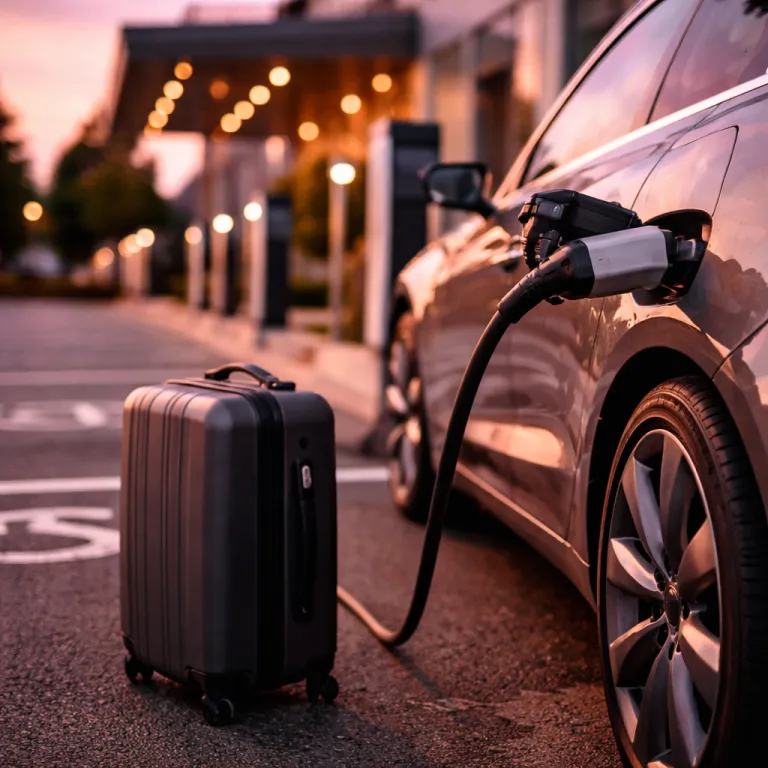
The Hilton EV charger rollout experience as a new baseline for EV stays
Hilton’s partnership with Tesla has turned the once fragile charging puzzle into a reliable overnight ritual for electric vehicle travelers. Across the U.S., Canada, and Mexico, this large-scale deployment of hotel EV chargers now anchors trip planning in a way that traditional fuel stations never quite managed for road trips. For many guests, the promise that there will be at least six chargers at a selected hotel is now as decisive as the mattress or the breakfast buffet.
The scale matters because charging infrastructure at many hotels used to mean a single port hidden behind the dumpsters, often blocked or broken. With 20,000 Tesla Universal Wall Connectors planned across 2,000 Hilton hotels, announced in a joint Hilton–Tesla press release in 2023, the charging network inside the brand’s portfolio suddenly feels dense enough to future proof long distance itineraries. Instead of hunting random charging stations at night, guests can treat the hotel itself as the primary charging station and the rest of the public network as backup.
Hilton states clearly that “Installations begin in early 2024.” and that “How many chargers per hotel? At least six chargers per selected hotel.” which signals a serious commitment to charging projects rather than a marketing gesture. Early pilot properties have already reported that EV drivers are more likely to book direct and extend stays when they know they can charge overnight without hassle. For EV drivers, the key takeaways are simple yet powerful: this coordinated rollout reduces range anxiety, compresses infrastructure costs into the room rate or a transparent fee, and turns charging from a daytime chore into an invisible overnight service. In hospitality terms, EV charging has shifted from fringe perk to converting amenity that can enhance brand perception and direct bookings.
From filter to front desk: how to actually book the right Hilton hotel
On Hilton’s own website, EV charging is now reported internally as one of the highest converting features, which means guests actively filter for it before they even look at room photos. The expanded charger program has made that filter far more meaningful, because when you select “electric vehicle charging” you are usually getting multiple level 2 chargers rather than a single lonely unit. For a solo explorer planning a cross state drive, that difference between one charger and six chargers can decide whether a property feels like a safe bet.
In practice, you should still verify the charging infrastructure before you commit, just as you would double check parking or late check out. Use Hilton’s EV filter to shortlist hotels, then cross reference the property on a charging network map or app to confirm the exact number of ports, the level of charging, and recent user comments. For more detailed guidance on premium hotel booking for electric vehicle drivers, the in depth route planning advice on how to find hotels with reliable chargers is worth reading before a long trip.
Once you have chosen your hotel, call the front desk and ask specific questions about the charging stations: ask whether the chargers are Tesla Universal Wall Connectors, whether an adapter is needed for your electric vehicle, and whether there is any parking fee for using a charging port overnight. The goal of Hilton’s EV program is simple, guest friendly service where you park, plug, sleep, and wake up with a full battery, but local practices can vary. Clear answers before arrival will help you avoid surprises about costs, access rules, or time limits on each charging station.
What Tesla Universal Wall Connectors change for real world charging
The technical heart of Hilton’s EV strategy is Tesla’s Universal Wall Connector, a wall mounted level 2 charging unit designed to work with any North American electric vehicle. For guests, the key benefit is compatibility: you no longer need to wonder whether your non Tesla car will be able to use the hotel charger. As Hilton and Tesla explain in their joint material, “Are the chargers compatible with all EVs? Yes, Tesla's Universal Wall Connectors work with all North American EVs.”
These are level 2 chargers rather than highway style fast chargers, typically delivering up to 11.5 kW depending on the property’s electrical setup, which is exactly what you want in a hotel context where your car sits for eight hours or more. Level 2 charging at a well placed port in the main car park uses the hotel’s existing energy infrastructure efficiently, without the extreme infrastructure costs and grid stress associated with ultra rapid charging stations. For most guests, the car will reach a full charge long before breakfast, turning the overnight stay into the most natural charging window of the trip.
Some properties may apply a modest fee per session or per kilowatt hour to cover energy costs and maintenance, while others treat the charger as a complimentary hospitality service folded into the room rate. Paying a transparent fee can actually benefit EV travelers by ensuring that chargers are maintained, expanded, and not blocked by non charging vehicles, a point explored in depth in this analysis of why paid hotel charging can improve reliability. As Hilton’s charging network matures, expect more consistent policies on costs, clearer signage at each charging station, and better integration of charging status into hotel apps.
Brand stakes and competitive pressure on Marriott, IHG, and others
Hilton’s decision to install chargers at scale is not just about cables and kilowatts: it is a calculated move to enhance brand relevance for a fast growing segment of travelers. When EV charging becomes the second highest converting amenity on a booking engine, as Hilton has indicated in internal performance reporting and public statements, it stops being a sustainability talking point and becomes a hard revenue driver. The company’s EV investments show how a hospitality group can use charging infrastructure to enhance brand image while quietly locking in loyalty from EV drivers who plan their routes around reliable charging stations.
For competitors like Marriott and IHG, the message is blunt: a few scattered charging projects or third party fast chargers in the corner of a parking lot will not be enough. The comparison many guests now make is effectively “Hilton versus hilton marriott style portfolios” in terms of how many chargers are available per hotel, how clearly the charging network is mapped, and whether the charging infrastructure feels future proof. If Hilton can guarantee at least six chargers at thousands of hotels, any rival with only one or two ports per property will feel under specified within a couple of booking cycles.
There is also a funding and incentives dimension, because large groups can negotiate better terms for installing charging stations, manage infrastructure costs across multiple properties, and integrate energy management into broader sustainability strategies. For travelers, the key takeaways are straightforward: follow where the big brands place their charging bets, because that is where long term service reliability usually follows. Hilton’s large scale rollout has raised expectations for what a premium hotel should offer EV guests, and that pressure will likely accelerate better charging infrastructure across the wider hospitality sector.
How this rollout reshapes the overnight EV experience for travelers
For the solo explorer planning a multi state road trip, the Hilton EV charger rollout experience changes the rhythm of the journey. Instead of stopping at random charging stations during the day and stretching legs in parking lots, you can push the driving window into daylight hours and let the car refuel while you sleep. The hotel becomes both refuge and refuelling hub, which is exactly how hospitality should feel for an electric vehicle driver.
On a practical level, knowing that a Hilton hotel will usually have multiple chargers means you can arrive later in the evening without fearing that every port is occupied. That density of chargers reduces the need to compete with other guests, and it turns the charging station from a scarce resource into a normal part of the property’s service mix. When combined with clear signage, simple payment or no fee policies, and staff who understand how the chargers work, the entire charging puzzle fades into the background of the stay.
If you want to go deeper into strategy for choosing hotels with strong charging infrastructure, the editorial guide on premium hotel booking for EV drivers offers a structured checklist that pairs well with Hilton’s growing EV footprint. Use that framework to compare infrastructure costs, evaluate whether a property’s plans install more chargers in the future, and assess how well the charging network is integrated into the overall guest journey. In the end, the best converting amenity is the one you barely notice because it simply works, and Hilton’s large scale charging projects are pushing the industry closer to that quiet standard.
FAQ
Are Hilton’s Tesla chargers compatible with all electric vehicles ?
Hilton uses Tesla Universal Wall Connectors, which are designed to work with all North American electric vehicles when paired with the appropriate adapter where needed. The official guidance is explicit: “Are the chargers compatible with all EVs? Yes, Tesla's Universal Wall Connectors work with all North American EVs.” Guests should still check their own cable and adapter requirements before arrival, especially if they drive an older model or use a non standard connector.
How many chargers can I expect at a typical Hilton hotel ?
Hilton has committed to installing at least six chargers at each selected hotel participating in the rollout, which is a significant increase over the single charger setups common in earlier years. Some larger hotels or high demand locations may install more ports as usage grows. Always confirm the exact number of charging stations with the property if your arrival time is late or your battery is low.
Will I have to pay a fee to use the hotel charging stations ?
Pricing policies vary by property and by local energy costs, so some Hilton hotels offer complimentary charging while others apply a session based or per kilowatt hour fee. The company’s EV charging program is designed to be transparent, so any fee should be clearly communicated at booking or check in. If costs are not listed online, call the front desk and ask about charging costs, parking rules, and any time limits.
How should I plan my route around Hilton’s charging infrastructure ?
Start by using Hilton’s booking filters to identify hotels with EV charging, then cross check those locations on a charging network map such as PlugShare to confirm charger types and recent user feedback. Build your daily driving legs so that you arrive at a Hilton hotel with enough remaining range to handle unexpected detours or temporary charger outages. This approach lets you rely on the hotel’s overnight chargers for most of your energy needs while keeping public fast chargers as a flexible backup.
What does Hilton’s rollout mean for other hotel brands ?
Hilton’s large scale investment in charging infrastructure sets a new benchmark that competitors like Marriott and IHG will need to match or exceed to remain attractive to EV drivers. Travelers can expect more hotels across the industry to install chargers, expand their charging stations, and refine their EV related service standards. Over time, this competitive pressure should lead to better charging coverage, clearer information at booking, and more consistent guest experiences for electric vehicle owners.