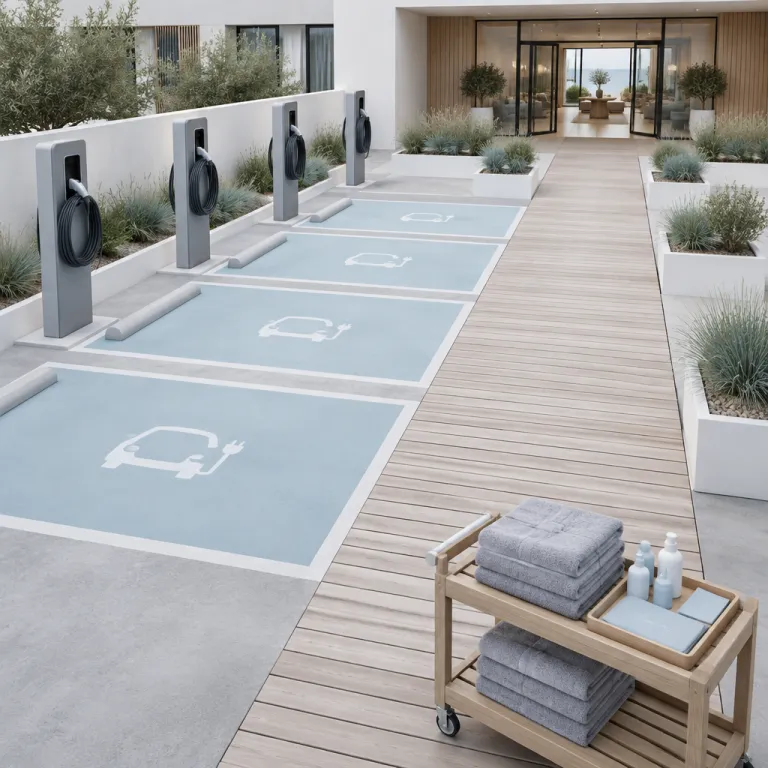
World Tourism Day electric travel 2026 and the new EV guest
On World Tourism Day electric travel 2026, the quiet arrival of an EV at your hotel porte cochère says more about global tourism than any speech. This single act of travel tourism by an electric driver reflects how the tourism sector, from national boards to independent properties, is rethinking what responsible comfort really means for the modern tourist. As world tourism shifts, the guest who plugs in on a late sunday September evening is now the clearest signal of where the industry is heading.
This day in late September has become a mirror for the global travel agenda, especially as international tourism leans into cleaner mobility and more sustainable stays. The World Tourism Day narrative used to focus on slogans, but the EV traveler now forces the industry to align its digital agenda, its infrastructure investments and its real economic impact. When a hotel can show reliable charging data, from kilowatts delivered to peak tourist arrivals, it demonstrates intelligence rather than marketing and proves that sustainability is operational, not ornamental.
For luxury and premium properties, the EV guest is no longer a niche traveler but a leading indicator of global tourism expectations. These travelers read the tourism barometer differently, looking beyond awards to see whether the sector has invested in usable hardware rather than glossy brochures. On World Tourism Day electric travel 2026, their presence turns every driveway into a small forum for tourism, where the world tourism conversation becomes less about abstract international tourism goals and more about whether the plug near reception actually works.
From green labels to live kilowatts: what EV guests really notice
Walk into any high end lobby on tourism day and you will see the same framed certificates, yet the EV driver will glance past them toward the parking level. For this guest, World Tourism Day electric travel 2026 is not about a speech but about whether the charger is free, functional and fast enough to restore a meaningful range before breakfast. They judge the global tourism industry by the cable length, the signage clarity and whether staff understand the difference between slow AC and rapid DC charging.
That is why the gap between hotels that market sustainability and hotels that invest in infrastructure is widening across the sector. A property that quietly installs multiple 11 kW chargers, trains its équipe to manage digital access and tracks usage données is doing more for sustainable travel than one that simply adds a leaf logo to its website. When you book a refined EV friendly stay such as the Townhouse Inn and Suites review for EV drivers, you are choosing a place where the charging experience is treated as seriously as the linen and the late checkout.
Across national and international markets, discerning guests now expect hotels to use digital data and even artificial intelligence tools to predict charging demand and avoid queues. This is where the wider travel tourism industry can learn from early adopters, who already integrate charging patterns into their intelligence redesign of operations. On World Tourism Day electric travel 2026, the properties that stand out are those where the EV charger is as thoughtfully placed as the bar, turning a once invisible utility into a defining feature of modern travel.
Charging readiness as a new map of forward looking destinations
Look at a map of fast chargers and you now see a parallel atlas of world tourism emerging, one that cuts across borders and traditional resort clusters. Destinations that treat World Tourism Day electric travel 2026 as a planning milestone, rather than a marketing moment, are quietly redesigning tourism around reliable charging corridors and well equipped hotels. From coastal highways to mountain passes, charging readiness is becoming a new way to read the tourism barometer for both cities and remote retreats.
In the Middle East, for example, several national tourism boards are aligning their digital agenda with infrastructure rollouts, ensuring that international tourism routes between airports, desert lodges and coastal resorts are EV viable. European regions are doing the same, using data from tourist arrivals to decide where to place chargers and how many plugs each property should host to match seasonal peaks. This is intelligence redesign in practice, where artificial intelligence models and human planners work together to avoid the frustrating scenario of a full car park and a single blocked charger.
For travelers, this shift changes how you plan your next global travel itinerary around World Tourism Day electric travel 2026. Instead of only checking room categories, you now scan maps for charging clusters, read reviews for comments about overnight top ups and use guides such as the EV greenwashing check for hotel charging to separate genuine readiness from box ticking. The destinations that win are those where the hotel driveway, the local grid and the regional agenda artificial for mobility all work in concert, turning a simple plug into a promise that your stay and your route will both run smoothly.
Beyond greenwashing: judging hotels by the plug, not the plaque
There is a growing tension between authentic hospitality and the box ticking culture of sustainability certifications, and World Tourism Day electric travel 2026 throws that contrast into sharp relief. Many properties in the tourism industry still treat EV charging as a photo opportunity for their annual report, installing a single token charger while continuing business as usual behind the scenes. The charger literate traveler, however, reads that gesture as a data point in a wider pattern of how seriously a hotel takes its responsibilities to both guests and the planet.
For this audience, the most telling moment comes at check in, when they ask about charging and the front desk either responds with confident, practical intelligence or with vague references to a plug "somewhere in the garage". Hotels that belong in the future of global tourism brief their équipe on kilowatt speeds, time estimates and fair usage rules, and they integrate this into their digital systems rather than scribbling room numbers on a clipboard. Corporate buyers are starting to notice the same details, which is why EV ready properties are increasingly featured in analyses of how hotels use EV charging to win corporate travel contracts and reshape their position in the sector.
As World Tourism Day electric travel 2026 approaches each year, events such as the World Travel and Tourism Council, often referred to as WTTC, and other wttc global style gatherings become informal checkpoints for this shift. While no single forum for tourism can dictate how every hotel behaves, the conversation around economic impact, sustainable operations and realistic infrastructure now includes very specific questions about plugs, not just policies. For the solo explorer planning a september road trip, the most trustworthy property is no longer the one with the longest sustainability report but the one where you plug in at arrival, sleep well and roll out at dawn with a full battery and a clear route.
FAQ
How does World Tourism Day electric travel 2026 affect how I choose a hotel ?
World Tourism Day electric travel 2026 highlights which hotels treat EV charging as core infrastructure rather than a marketing extra. When you book, look for properties that list charger types, speeds and access rules clearly, and check recent guest reviews mentioning overnight charging. These details show whether the hotel has moved beyond slogans to real, operational sustainability.
What should I check about EV charging before confirming a luxury stay ?
Confirm the number of chargers, the kilowatt rating and whether spaces are reserved for overnight guests. Ask if there are fees, time limits or digital access steps, and whether staff can assist if another car blocks the charger. A hotel that answers these questions precisely is usually serious about both hospitality and infrastructure.
Are EV friendly hotels only in major cities or also in remote destinations ?
Charging infrastructure started in urban hubs, but many remote lodges and coastal resorts now see EV readiness as a competitive advantage. Regions that align their tourism agenda with grid upgrades often support hotels in installing chargers along scenic routes. Always cross check hotel information with regional charging maps to avoid gaps on rural stretches.
How can I tell if a hotel’s sustainability claims are more than greenwashing ?
Look for concrete, verifiable actions such as multiple working chargers, clear energy sourcing information and staff who can explain how systems operate. Compare the hotel’s claims with independent reviews that mention real charging experiences, not just design features. When operations, guest feedback and stated policies all align, the sustainability story is usually credible.
Will EV charging become a standard expectation in luxury hotels worldwide ?
In many leading markets, EV charging is already moving from amenity to baseline expectation for premium properties. As more travelers drive electric, hotels that lack reliable chargers risk losing both leisure and corporate business. Over the coming years, charging quality will likely sit alongside Wi Fi speed and bedding comfort as a core measure of luxury hospitality.