The quiet revolution behind every historic hotel EV charger installation permit
When a family checks into a centuries old manor and plugs in, that simple hotel charging moment hides years of negotiation with heritage rules. Behind each historic hotel EV charger installation permit sits a meticulous project that balances preservation, electrical safety, and guest expectations for seamless electric vehicle travel. For parents planning a York road trip with children and luggage, the right chargers on site can matter more than the thread count.
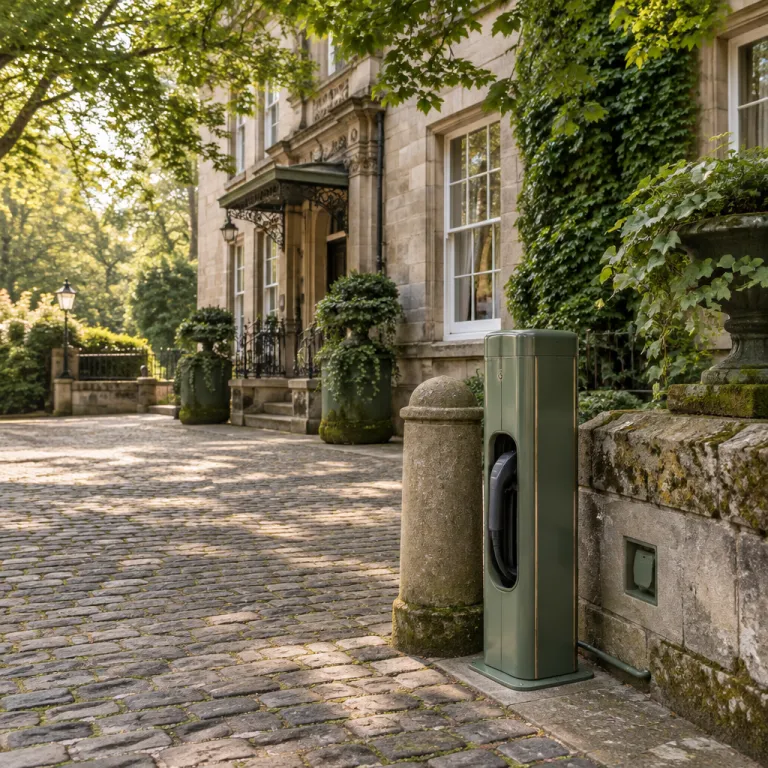
Protected properties face strict requirements on what can be drilled, dug, or mounted, so every charger installation must respect listed façades, stone courtyards, and original gates. Conservation officers often insist that any charging infrastructure remains reversible, meaning the equipment can be removed without scarring the property or its historic parking spaces. That is why a single discreet charging station in a cobbled courtyard can signal a hotel that has taken the heritage EV charger approval process seriously, as seen at places like Cliveden House in Berkshire, which hides its chargers behind existing garden walls.
For luxury hotels, the commercial case is no longer theoretical, because EV driving families now filter properties by charging equipment before they even look at the spa. A well executed hotel charging project can generate incremental charging revenue while also protecting long term room rates by keeping the property relevant to electric vehicle travelers. The cost of compliant installation is high, but the reward is a guest who arrives with a low miles range buffer and leaves with both a full battery and a strong emotional connection to the place.
Where the hardware hides: stables, courtyards, and invisible charging infrastructure
Heritage hotels rarely place a bright plastic charger on the main façade, so the smartest properties tuck charging stations into stables, carriage houses, or walled gardens. In these discreet corners, the charging equipment can sit on freestanding bollards, with underground electrical conduits routed through existing trenches or former service runs. Families arriving after dark simply see a clearly signed parking area, not the complex infrastructure that makes their overnight charge possible.
Because listed properties must protect sightlines, a careful site assessment often maps every tree, wall, and stone before any installation is approved. Engineers then design level charging layouts that preserve parking capacity for both EVs and conventional cars, sometimes dedicating only two or three parking spaces to chargers at first. For extended stays, this limited but well managed capacity can still keep a fleet of family cars topped up, especially when the hotel uses software to rotate access and avoid idle blocking.
Multi unit heritage properties, such as former monasteries or manor complexes, sometimes place one charging station near each cluster of rooms, turning scattered outbuildings into quiet EV hubs. This distributed approach reduces the electrical load on any single point and can lower the cost of trenching across fragile courtyards. If you are planning an extended family break, pairing such a property with a guide to EV charging for longer hotel stays can help you judge whether the on site infrastructure truly matches your daily driving plans.
Navigating permits, conservation rules, and the approvals maze
Securing a historic hotel EV charger installation permit is rarely a single form and a quick signature, especially in tightly regulated regions. Owners of listed hotels must satisfy both standard electrical requirements and separate heritage approvals that govern every visible element of the project. In practice, that means the same charging infrastructure can move quickly at a modern roadside property yet take months at a castle with a protected gatehouse.
In places like New York State or coastal Long Island, a permit expediter who understands both commercial building codes and preservation law can be as valuable as the electrical contractor. This specialist coordinates with planning boards, conservation officers, and fire departments to prove that the charger installation will not damage the property or compromise safety. Families may never meet this person, but their work is the reason a hotel can offer reliable hotel charging instead of sending guests to public charging stations several miles away.
Because approvals can be slow, forward looking properties often apply for more parking spaces and chargers than they initially install, creating a charge ready plan for future expansion. This long term strategy allows the hotel to add extra charging equipment later without reopening the entire historic hotel EV charger installation permit process. If you are choosing a heritage retreat for a seasonal break, pairing it with an EV friendly wellness stay can turn that behind the scenes bureaucracy into a quietly luxurious experience for your whole family.
Old wiring, new loads: making historic electrical systems work for EV families
Many grand hotels were wired when a single chandelier felt ambitious, so their original electrical systems were never meant to support multiple 22 kilowatt chargers. Before any installation, engineers must test supply capacity, assess transformer limits, and decide how much level charging the property can safely support. This technical work is invisible to guests, yet it determines whether your electric vehicle wakes up full or only half charged after a night in a four poster bed.
Load management software now allows properties to share limited capacity across several chargers, throttling power when demand peaks and boosting it when the hotel is quiet. For a family arriving with a modest miles range buffer, this means the charging station may start slowly at dinner time, then ramp up while everyone sleeps and the kitchen equipment powers down. In multi unit estates, smart panels can even prioritize certain parking areas overnight, ensuring that early departing guests receive the highest charging rate.
Some hotels pair these systems with on site solar or storage, but even without that, careful planning can keep both the ballroom lights and the chargers running. When you evaluate properties, look for clear communication about charging infrastructure, including how many chargers exist, what level charging they offer, and whether reservations are required. For deeper planning, especially on complex routes, a resource on planning an EV road trip around hotel charging stops can help you match your family’s itinerary to the real electrical capacity on the ground.
Why a plug in a castle courtyard signals real commitment
When a listed hotel finally secures a historic hotel EV charger installation permit, it has already invested in surveys, designs, and often higher cost equipment. Unlike a new build property on a highway, a heritage hotel cannot simply bolt a charger to any wall and call it a day. Every cable route, bollard, and parking sign has passed through layers of scrutiny that most commercial car parks never face.
For families, this means that a single well placed charger in a historic courtyard can be more valuable than a row of poorly maintained charging stations at a nearby retail park. The hotel has chosen to spend capital and political goodwill on charging infrastructure instead of another decorative project, signaling that EV guests are part of its long term future. Over time, this can generate not only charging revenue but also repeat stays from travelers who now filter all hotels by their EV readiness.
Regions such as New York State and Long Island sometimes offer a tax credit or grant support for charger installation, but these incentives rarely cover the full cost of working around fragile stonework. For example, the NYSERDA Charge Ready NY 2.0 program has offered up to $4,000 per Level 2 port at qualifying sites, while the PSEG Long Island EV Make Ready initiative has contributed toward make ready costs for commercial properties. Owners still need to fund bespoke equipment housings, careful trenching, and the services of a permit expediter who understands both electrical codes and heritage law. When you see a discreet row of chargers beside a stable block, you are looking at a property that has chosen to wire its past directly into the future of family travel.
FAQ
How can I tell if a historic hotel has reliable EV charging before I book ?
Check whether the hotel lists the number of chargers, the level charging offered, and whether parking spaces are reserved for EVs or shared. Reliable properties describe their charging equipment clearly, including connector types and any requirements to pre book a charging station. If details are vague, contact the hotel directly and ask whether they hold a current historic hotel EV charger installation permit and how they manage peak demand.
Why do some heritage hotels offer only one or two charging stations ?
Listed properties often face strict limits on new electrical infrastructure, trenching, and visible equipment, which can cap the number of chargers. Their existing supply may only support a few units without an expensive upgrade that risks the fabric of the building. Many hotels start small, then expand as they secure further approvals and refine how they balance parking capacity with guest demand.
Does installing EV chargers change the character of a historic property ?
When done well, charger installation at a heritage hotel uses discreet bollards, hidden cabling, and reversible mounts that preserve the original architecture. Conservation officers typically require that any charging infrastructure can be removed without permanent damage to stonework or façades. As a result, the visual impact on the property is minimal, while the functional benefit for electric vehicle guests is significant.
Are EV chargers at historic hotels more expensive to use than public options ?
The cost of charging at a luxury heritage hotel can be higher than some public charging stations, because installation and permitting are more complex. However, many families value the convenience of parking overnight, plugging in once, and waking up with a full battery. When comparing options, consider not only the tariff but also the time saved and the comfort of charging directly at your hotel.
Why do some regions offer incentives for charger installation at historic hotels ?
Authorities in areas such as New York State and Long Island recognize that tourism properties play a key role in supporting long distance EV travel. By offering a tax credit or grant, they help offset the higher cost of installing charging infrastructure in protected buildings. This support encourages more hotels to pursue a historic hotel EV charger installation permit, which in turn strengthens the wider charging network for families on the road.