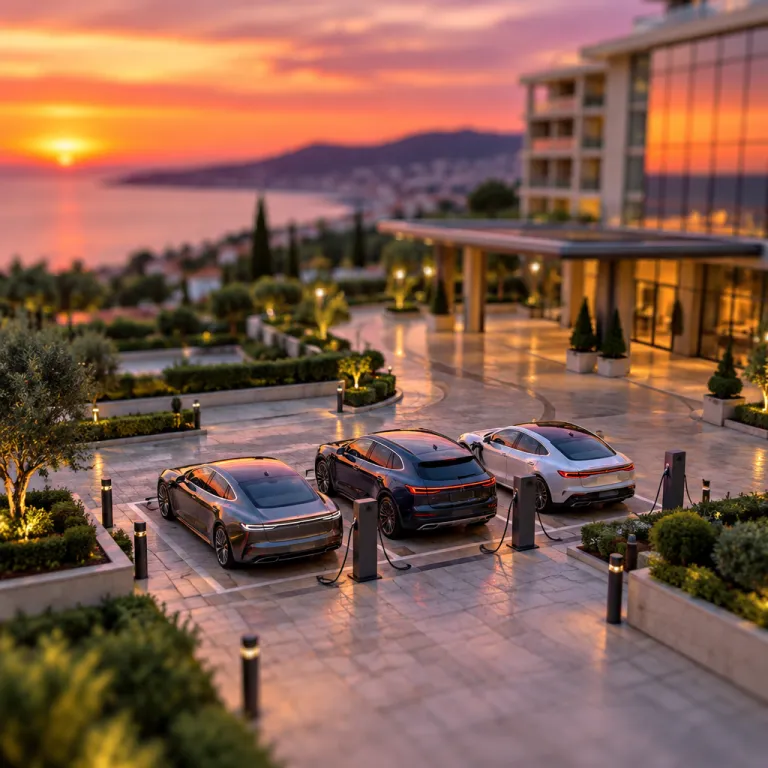
Redefining luxury hotel EV charging premium value
At the top end of hospitality, the expectation is simple. A luxury hotel that welcomes an electric vehicle should treat vehicle charging as naturally as breakfast, spa access or late checkout, because true EV-friendly luxury means the charger is part of the stay rather than an extra. When you arrive after a long day of driving, you want to glide into guest parking, plug into a reliable charger and head straight to your room, trusting that both you and your electric vehicle will be fully restored by morning.
For EV driving guests, the gap between marketing and reality can be wide. Many hotels now mention electric vehicles on their booking pages, yet the on site charging stations vary wildly in number, power level and ease of access, which makes it hard to judge whether a charging hotel is genuinely prepared or simply ticking a sustainability box. The properties that deliver real premium value for EV drivers tend to treat their charging infrastructure as core electrical service, with clear signage from parking entrance to station, trained staff and a seamless process that feels as polished as check in.
Think of EV amenities as part of the invisible choreography of great hospitality. When hotel charging policies are aligned with guest expectations, the charging solution feels almost effortless, from reserved parking spaces near the lobby to chargers that start vehicle charging automatically through a room linked app. In that context, hotel charging stops being a technical feature and becomes a quiet expression of service, where power flows as predictably as hot water and where the guest senses that every detail, including the charging station, has been considered.
When complimentary charging is luxury, and when it is a mirage
For many EV drivers, luxury hotel EV charging premium value starts with one assumption. If you are paying a premium nightly rate, you expect the hotel to offer charging as a complimentary service, much like Wi Fi or access to the fitness centre, because the marginal electrical cost of an overnight fill is tiny compared with the room revenue. In practice, though, the way hotel charging policies are structured can turn what looks like a generous perk into a surprisingly expensive line item once valet fees, resort charges and per kilowatt tariffs are added back in.
Look closely at how each hotel describes its charging solutions before you book. Some hospitality properties advertise free electric vehicle charging stations but require mandatory valet parking, which means you pay a daily fee simply to reach the charger, while others meter every kilowatt hour at rates that exceed nearby public facing charging stations, eroding any sense of EV value. The most transparent hotels publish clear tables that separate guest parking costs, car charging fees and any service charges, allowing you to compare the true cost of vehicle charging across different hotels on your route.
For a business leisure traveller extending a work trip, this detail matters. You might accept a modest fee for fast charging if it comes with a reserved bay, 24 hour access and staff support that understands both Type 2 and CCS chargers, because that structure still respects your time and your electric vehicles. Before you confirm a long term stay, use a detailed pre booking checklist such as the one in this guide to questions to ask before you reserve an EV friendly hotel, and treat the charging infrastructure with the same scrutiny you would apply to meeting room capacities or late checkout policies.
What a premium should really buy at the plug
Paying a premium rate should buy more than a glossy photo of an electric charger in the brochure. At a serious luxury property, luxury hotel EV charging premium value means the charging station is operational, well maintained and easy to access, with clear wayfinding from the entrance to the guest parking level and staff who can troubleshoot basic electrical issues. The credibility test is simple ; a hotel that obsesses over latte art at breakfast but leaves its chargers blocked, broken or hidden at the far edge of the parking lot has misread what its EV guest actually needs.
Start by looking at the quality and variety of charging solutions on site. A thoughtful charging hotel will combine slower overnight chargers for long term stays with at least one fast charging option for late arrivals, ensuring that both business travellers and leisure guests can fill their vehicles without stress, while the best equipped properties will reserve a few parking spaces specifically for EVs so that chargers are not iced by combustion cars. True luxury also shows up in the details, such as weather protected bays, good lighting, intuitive payment interfaces and the ability to start car charging from your room via app or TV.
Premium value is also about how the charging infrastructure fits into the wider experience. Some hospitality properties now integrate EV amenities into wellness or retreat packages, where a guest can plug in at check in, head straight to the spa and wake up to both a rested body and a fully charged electric vehicle, a model explored in depth in this feature on EV wellness retreats where you unplug while your car plugs in. When hotel charging strategies reach this level of integration, the charger stops being a technical add on and becomes part of the narrative of rest, renewal and intelligent power use.
Comparing true charging value across luxury properties
Evaluating luxury hotel EV charging premium value requires a more granular lens than star ratings. Two hotels might both claim to offer charging, yet one may have a single slow charger shared across dozens of vehicles while the other operates a bank of high power charging stations with guaranteed access for suite level guests. To compare meaningfully, you need to look at the density of chargers per room, the mix of power levels and the way hotel charging is priced relative to both room rates and nearby public facing options.
Start by mapping the charging infrastructure as you would meeting rooms or spa facilities. Count how many charging stations are on site, note whether they are Level 2 or DC fast charging, and check if any bays are reserved for specific room categories or loyalty tiers, because these details shape the real world experience for each guest. A property that can fill eight electric vehicles overnight without queueing offers a very different charging solution from one where vehicles must be shuffled every few hours, even if both hotel charging pages use similar marketing language.
Next, examine how the charging hotel structures its fees and policies. Some hospitality properties bundle vehicle charging into premium room packages, effectively turning the charger into an all inclusive amenity, while others offer charging at cost to encourage EV adoption and position themselves as long term partners for sustainable travel. When you compare different hotels, factor in the time saved by on site access, the reliability of the electrical systems and the presence of staff support, because these elements often matter more than a small difference in per kilowatt pricing or parking fees.
The credibility test: when the charger defines the stay
For EV driving travellers, the charger has quietly become a litmus test for luxury. A property that delivers real luxury hotel EV charging premium value treats the charging station as a core part of its hospitality promise, not as a marketing flourish, and understands that a smooth overnight fill can matter as much as a late checkout or a perfect pillow menu. When you arrive to find blocked parking spaces, out of order chargers or staff who cannot explain how to start vehicle charging, the disconnect between rate and reality is immediate.
Look for hotels where the EV experience is woven into the stay from booking to checkout. The best hospitality properties confirm charger availability at reservation stage, note your electric vehicle type, and ensure that guest parking near the chargers is held for your arrival, while front desk and valet teams are trained to support both first time EV drivers and seasoned road trippers. In these hotels charging is not just about electrical power ; it is about respecting your schedule, your route planning and your expectation that a premium rate buys a frictionless, well supported stay.
As you refine your own standards, treat the charger as seriously as the breakfast buffet or the meeting room. When a charging hotel invests in resilient charging infrastructure, clear signage, fair pricing and thoughtful charging solutions for both short and long term guests, it signals a broader culture of operational excellence that usually extends to service, housekeeping and food and beverage, a pattern that becomes obvious when you compare properties on specialist platforms such as this analysis of VIP friendly central city hotels with strong EV and meeting capabilities. Over time, EV drivers will reward the hotels that get these details right, because in the quiet hours between check in and checkout, the charger is where luxury either holds or quietly unravels.
FAQ
Should EV charging be free at a luxury hotel ?
At the high end, many travellers now expect basic overnight charging to be included in the room rate. The actual electrical cost of filling one electric vehicle is relatively low compared with premium room revenue, so complimentary Level 2 charging often makes sense as part of the service. Some properties still charge per kilowatt hour or per session, but transparent pricing and clear communication at booking are essential if they choose that route.
How can I tell if a hotel’s EV chargers are reliable before I book ?
Reliability is best judged through a mix of recent guest reviews, direct questions to the property and, where available, live status information on charging apps. Ask the hotel how many chargers they have, what power levels they offer and whether the stations are reserved for guests or shared with the public. A hotel that can answer these questions precisely is more likely to maintain its charging infrastructure properly.
What is the difference between Level 2 and fast charging at hotels ?
Level 2 chargers typically provide enough power to refill most electric vehicles overnight, making them ideal for standard hotel stays. DC fast charging delivers a much higher power output, allowing a significant top up in under an hour, which suits late arrivals or short daytime stops. Luxury properties that offer both options give guests more flexibility to match charging speed with their schedule.
How do valet and parking fees affect EV charging value ?
Valet and parking fees can significantly change the real cost of charging at a hotel. Some properties advertise free charging but require paid valet access to reach the chargers, effectively turning a complimentary amenity into a bundled expense. When comparing options, always add parking, valet and any service charges to the stated charging tariff to understand the true total.
What questions should business travellers ask about EV charging when booking ?
Business travellers should ask whether chargers can be reserved, what time they are usually available and whether staff can move vehicles if charging finishes overnight. It is also useful to confirm the connector types, power levels and any limits on session duration, especially if you plan to arrive late after meetings. Clear answers to these questions help ensure that charging fits smoothly around tight work schedules and early departures.