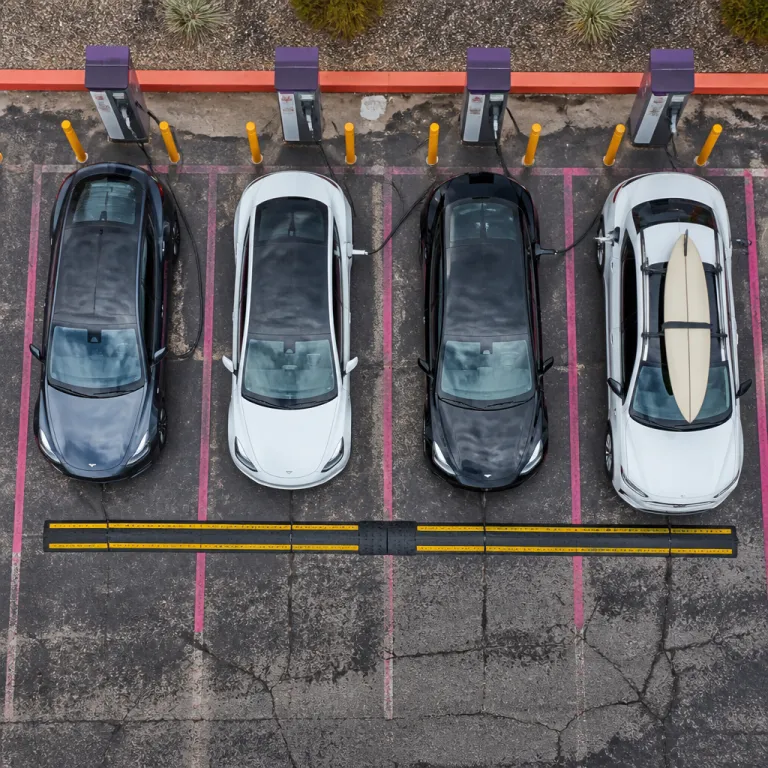
Why summer hotel EV charging demand spikes for family road trips
Summer hotel EV charging demand rises sharply as families plan long road trips. When one in ten vehicles on the road in the United States is now an electric vehicle, the math behind charging demand at full hotels becomes impossible to ignore. By late June, many coastal resorts and national park properties already feel the strain on every charging station in their parking lots.
Peak occupancy, hotter climate conditions and heavier air conditioning use all push hotel energy systems to their limits. Hotel managers and facility engineers juggle vehicle charging for EVs alongside cooling loads, knowing that approximately 30% to 50% of a hotel’s energy can be swallowed by HVAC alone. During the summer months from June to August, rising occupancy in June, a peak in July and a gradual decline in August create a predictable but intense wave of charging demand that repeats every year.
For EV drivers, this means that a charging amenity is no longer a nice extra but a core part of the guest experience. Families arriving late after a long summer road journey need a working electric vehicle charger more urgently than a welcome drink, because tomorrow’s route and today’s state of charge are tightly linked. Hotels that electrify only 5% to 10% of their parking may find that their chargers are fully occupied by mid afternoon, leaving late arriving guests to hunt for public charging stations or even old gas stations as a reluctant backup.
Energy consultants working with hotel groups now treat EV charging solutions as part of broader summer energy demand planning. They run energy audits, deploy smart thermostats and AI driven energy management systems to keep both rooms and charging stations running without overloading the grid. As one industry guidance notes, “How can hotels reduce energy consumption during peak season? Implement energy audits, optimize HVAC systems, and train staff on energy-saving practices.”
The bottleneck: charger math, rotation rules and reservation systems
When a 200 room hotel reaches 95% occupancy and 10% of arriving vehicles are electric vehicles, the gap between chargers and guests becomes painfully clear. A property with only eight chargers and no rotation policy can leave EV drivers queuing late into the night, especially when each vehicle charging session runs for several hours. Multiply that scenario across popular hotels near national parks, beaches and theme parks, and you see why summer hotel EV charging demand now shapes travel booking decisions.
Leading hotel groups in the hotel industry are experimenting with different charging policy frameworks to stay ahead of the curve. Some hotels impose time limits on each charging station, asking guests to move their electric vehicles after two or three hours so others can plug in. Other properties use reservation systems integrated into their booking engines, allowing guests to reserve a charging amenity for a specific time slot during their stay, which reduces friction at the front desk.
Rotation schedules work best when clearly communicated before travel booking is completed. The most organized hotels send pre arrival emails explaining how many charging stations they operate, what type of chargers are available and how vehicle charging is prioritized for overnight guests. Families planning summer road trips can then decide whether to rely on hotel charging or to schedule a top up at public charging stations along the summer road route.
For a deeper look at how major brands coordinate their charging networks, EV focused travelers can study this detailed guide to hotel EV charging networks at large chains. These networks show how the hotel industry is moving from ad hoc chargers to structured charging solutions with clear guest communication. The properties that succeed treat EV charging as a core operational system, not a side project managed separately from energy, finance and guest experience teams.
What EV families can do: planning, timing and backup options
Summer hotel EV charging demand does not have to derail a well planned family itinerary. The most relaxed EV drivers treat charging like a dinner reservation, choosing hotels where they can book a charger slot and timing their arrival to match off peak energy periods. When you plan a long summer road journey, think of each charging station as a limited seat restaurant rather than an always open gas station forecourt.
Start by filtering hotels in the United States by verified charging amenity details during your travel booking process. Look for properties that list the number of chargers, the charging companies they partner with and whether vehicle charging can be reserved in advance. When a hotel is vague about its charging stations, contact the hotel manager or front desk team directly and ask how they handle charging demand on sold out nights in June and July.
Smart EV guests also carry a portable Level 1 charger as a last resort backup. While slow, it can add enough energy overnight from a standard outlet to reach a faster charging station the next day, especially if the hotel group has limited infrastructure. Paying per kilowatt hour at a reliable charger is often better than gambling on a free but overcrowded plug, and this perspective is explored in depth in this analysis of why paid hotel charging can benefit EV travelers.
Families should also build in time for public charging stations near their destination, especially in regions where the climate is hot and air conditioning use reduces range. Use mapping tools that show both hotel chargers and nearby fast chargers, then decide where each electric vehicle in your party will top up. By treating energy planning as carefully as you handle room booking and breakfast times, you keep control of your schedule and protect the overall guest experience.
Where the crunch will hit hardest and how hotels can respond
Not every destination will feel summer hotel EV charging demand in the same way. Coastal resorts along the West Coast, mountain retreats near national parks and lakefront hotels within a day’s drive of major cities in the United States are likely to see the sharpest spike. These are the places where EVs already make up a higher share of arriving vehicles and where road trips are the default summer ritual.
Hotels in these regions need to treat EV charging as part of their core energy strategy rather than a marketing flourish. Facility engineers can work with energy consultants and utility partners to expand charging solutions while also optimizing HVAC systems, LED lighting and smart thermostats to keep overall energy use under control. Some properties are already piloting AI driven energy management that balances room cooling, kitchen loads and vehicle charging in real time, protecting both guest comfort and the bottom line in finance terms.
For travelers, the most reliable indicator of a serious EV mindset is not a green label but the way a property talks about its charging station operations. Articles such as why EV charging is the only sustainability metric that truly matters at hotels argue that the real test is whether you can plug in at check in and wake up to a full battery. When a hotel describes charger types, charging policy rules and contingency plans clearly on its website, it signals that the hotel industry is maturing fast around EV needs.
As EV adoption grows and EV guests stay 12% to 20% longer than average, hotels that invest now will stay ahead of the curve. They will also reduce operational risk during the intense summer months from June to August, when energy systems, staff and guests are all under pressure. For families planning their next electric vehicle adventure, choosing these forward thinking hotels means fewer late night charger hunts and more time by the pool, with all rights reserved for better memories rather than charging anxiety.
FAQ: summer hotel EV charging demand for family travelers
How many EV chargers should I expect at a typical hotel in summer ?
Most hotels currently electrify only about 5% to 10% of their parking spaces, which often translates to between two and ten chargers at a mid sized property. During peak summer road travel, this limited number can be overwhelmed when EVs represent around 10% of arriving vehicles. Always ask the hotel how many charging stations they operate and whether they manage access with time limits or reservations.
What can I do if all hotel charging stations are occupied when I arrive ?
If every charging station is taken, first check whether the hotel uses a rotation schedule or waitlist for vehicle charging. Ask staff if they can notify you when another guest unplugs, and in parallel identify nearby public charging stations using your EV navigation tools. As a backup, a portable Level 1 charger can add enough energy overnight from a standard outlet to reach a faster charger the next day.
How do hotels manage energy use when EV charging demand is high ?
Hotels facing strong summer hotel EV charging demand often combine energy audits, HVAC optimization and staff training to keep systems stable. Many now use smart thermostats and energy management systems to balance room cooling loads with EV charging, especially during hot climate periods in June and July. Some properties also work with utility companies and energy consultants to secure financial incentives for upgrades that support both guest comfort and reliable charging.
Which destinations in the United States are most challenging for summer EV stays ?
Coastal resorts, national park lodges and popular lake or mountain hotels within driving distance of major cities tend to experience the toughest charging crunch. These areas combine high EV adoption, limited parking space and intense summer road trip traffic, so charging demand often exceeds supply. When planning a stay in these regions, prioritize hotels that publish clear charging policy details and partner with reputable charging companies.
What should I check in a hotel’s privacy policy or terms when using their chargers ?
When you plug into a hotel charging amenity, the system may collect data about your vehicle, charging times and payment details. Review the hotel’s privacy policy to understand how this data is stored, whether it is shared with third party charging companies and how long it is retained. A transparent policy, combined with clear guest communication, is a good sign that the hotel group takes both technology and guest experience seriously.
Sources
National Car Charging ; STR Global lodging report ; U.S. Department of Energy Alternative Fuels Data Center.