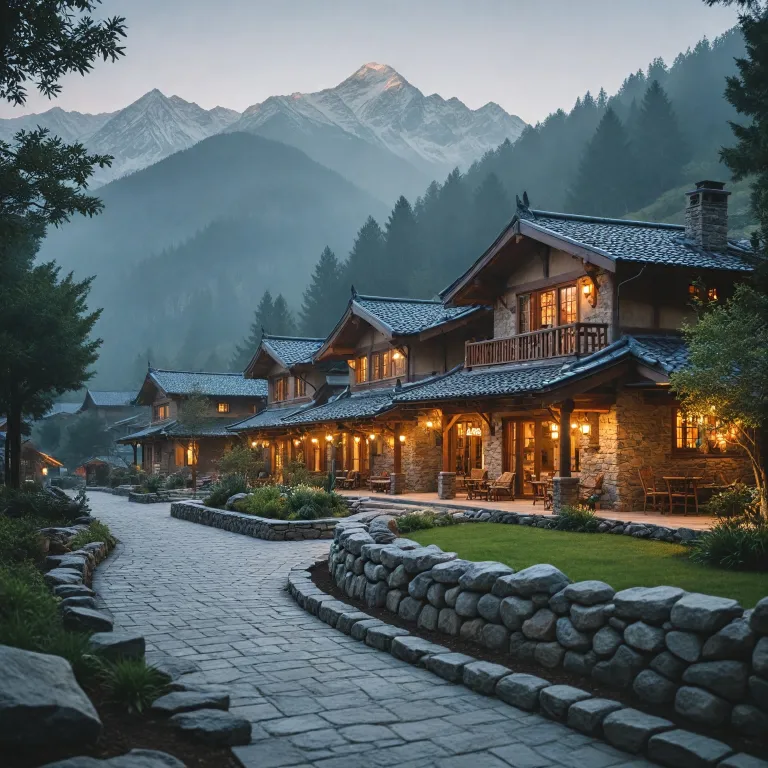
Himalayan village stays reimagined for the electric era
Hotel himalayan village experiences now appeal strongly to travellers who drive electric cars. Luxury guests want a traditional sense of place, yet they also expect reliable chargers integrated as naturally as wood stone pathways or carved balconies. In both hotels himalayan properties, the focus on nature, wellness, and sustainability aligns seamlessly with this new expectation.
Two distinct addresses share the himalayan village name, and each offers a different style of escape. Himalayan Village Sonapani in Mukteshwar feels like a quiet village resort, with 12 cottages spread across a generous estate that frames the mountain horizon. The Himalayan Village Resort in kasol, within the parvati valley of himachal pradesh, combines traditional Kathkuni architecture with premium comforts that suit refined electric vehicle travellers.
Both resorts sit in regions where winding roads, steep gradients, and remote locations make charging infrastructure a decisive factor. When a hotel or resort offers on site chargers, it transforms a demanding drive into a relaxed arrival, especially after navigating kullu manali or the approaches to kasol parvati. For guests planning a road trip across pradesh india, the presence of chargers can be as important as room category or spa access.
Increased interest in eco-friendly accommodations, growing popularity of traditional architecture in hospitality, and the rise in experiential travel focusing on local cultures all converge at these properties. Electric car drivers often seek hotels that respect nature and local communities, and a himalayan village stay answers that desire. When chargers, cottages, and mountain views come together, the result feels perfectly aligned with modern sustainable luxury.
Traditional architecture, wooden cottages, and modern charging comfort
The Himalayan Village Resort in kasol stands out for its traditional Kathkuni construction, where wood stone walls are stacked without cement. Its mud plastered interiors, carved beams, and traditional brass details create a warm, tactile atmosphere that feels rooted in himachal. This style of building naturally insulates the rooms, which supports energy efficient heating and cooling for guests and their electric cars.
The resort’s cottages himachal design reflects local craftsmanship, with wooden balconies, slate roofs, and brass fittings that age gracefully. In this setting, EV chargers can be discreetly integrated near the village resort pathways, ensuring that technology supports rather than overwhelms the heritage aesthetic. When guests read reviews himalayan travellers share online, they often praise this balance between authenticity and comfort.
Himalayan Village Sonapani, by contrast, offers 12 Kumaoni style cottages spread across a wide estate, echoing a traditional village layout. Each cottage frames the mountain and valley differently, so guests can choose rooms that face sunrise, forest, or distant peaks. The cottages feel perfect for slow stays, where charging an electric car overnight becomes as natural as lighting a fire in the hearth.
In both hotels, handcrafted furnishings, traditional brass accents, and local textiles create a sense of place that electric travellers value. “The resort is built in the traditional Kathkuni style, using dry-stacked stones and wood without cement, featuring mud-plastered inner walls and handcrafted furnishings.” This architectural integrity reassures guests that sustainability is not a marketing slogan but a lived reality in every beam and stone.
Location, access, and the realities of electric travel in the mountains
Reaching a hotel himalayan village property often involves narrow roads, hairpin bends, and changing weather conditions. Travellers heading toward kasol parvati or kullu manali must plan for gradients that consume more battery than flat highways. This makes on site charging at hotels and resorts a practical necessity rather than a pleasant extra.
The Himalayan Village Resort sits near kailash nagar, in the doonkhara jari area of kasol, within the parvati valley of kullu himachal. Its location places guests close to jari kasol and the wider network of trails, riverside walks, and mountain biking routes that define this part of himachal pradesh. When electric car drivers arrive with reduced range after exploring, the reassurance of chargers at the village resort becomes invaluable.
Himalayan Village Sonapani, in Mukteshwar, offers a different landscape but similar challenges for EV planning. The estate’s elevation and rural access roads mean that guests must check weather, road conditions, and charging options before departure. Once at the resort, however, the quiet surroundings, wooden cottages, and open nature views encourage guests to slow down while their vehicles recharge.
For travellers designing a multi stop itinerary across pradesh india, combining kasol, manali, and Mukteshwar requires careful mapping of public chargers. Hotels himalayan that provide reliable charging remove a major layer of anxiety from this planning. They also allow guests to choose more scenic routes through valley and mountain passes, rather than sticking only to main highways with sparse infrastructure.
Wellness, nature, and low impact activities around hotel himalayan village
Wellness is central to the appeal of any himalayan village stay, especially for guests who value low impact travel. Both properties encourage guests to engage with nature through walking trails, forest bathing, and gentle exploration of the surrounding valley. This slower rhythm pairs naturally with the overnight charging cycle of electric vehicles.
In kasol’s parvati valley, guests at The Himalayan Village Resort can combine wellness with adventure. Mountain biking and rock climbing are popular activities, allowing visitors to experience the dramatic mountain terrain without relying heavily on motorised excursions. After a day outdoors, returning to wooden cottages with warm brass fittings and soft lighting feels perfectly restorative.
Himalayan Village Sonapani offers a quieter wellness profile, with long walks through orchards, birdwatching, and stargazing above the himalayan ridges. The cottages himachal style architecture, with wood stone details and traditional brass elements, creates a cocoon like atmosphere that supports rest. Guests often comment in reviews himalayan forums about the deep sleep they experience in these rooms, far from city noise.
For electric car travellers, this wellness focus aligns with a broader commitment to sustainable living. Choosing hotels and resorts that respect nature, support local artisans, and minimise energy waste feels consistent with driving an EV. When planning similar eco conscious stays elsewhere, travellers can look to resources such as this guide to energy efficient and environmentally certified stays for further inspiration.
Design details, traditional brass, and the feel of sustainable luxury
One of the defining pleasures of a hotel himalayan village stay lies in the tactile details. At The Himalayan Village Resort in kasol, wood stone walls, carved pillars, and traditional brass door handles create a sensory richness that modern builds often lack. These elements are not decorative afterthoughts but part of a living architectural language in himachal pradesh.
Traditional brass and other metalwork appear throughout the cottages, from lamps to bathroom fittings. When combined with wooden ceilings and handwoven textiles, they give the rooms a warm, grounded style that feels both luxurious and authentic. Electric car chargers, when thoughtfully placed, can respect this aesthetic by using discreet housings and cable management that do not disrupt the visual harmony.
In Himalayan Village Sonapani, the cottages himachal design leans into simplicity and openness. Large windows frame the mountain and valley, while wooden furniture and brass fittings echo the colours of the surrounding forest. Guests often describe the atmosphere as perfect for reading, writing, or simply watching clouds drift across the himalayan skyline.
Across both hotels himalayan properties, sustainable luxury means more than energy efficient lighting or eco labels. It encompasses local materials, support for artisans, and a layout that feels like a real village rather than a generic resort. When EV charging is added to this framework, it becomes another quiet service that supports a low impact lifestyle without overshadowing the charm of the cottages and rooms.
How to choose and book a himalayan village stay with EV charging
Travellers planning a stay at a hotel himalayan village property should begin by clarifying their priorities. Some guests may value proximity to kasol parvati and adventure activities such as mountain biking and rock climbing, while others prefer the solitude of Mukteshwar’s orchards and forests. In both cases, confirming the availability, type, and power rating of electric car chargers is essential before booking.
When comparing hotels and resorts, pay attention to how each property describes its approach to sustainability. Look for references to traditional architecture, local materials like wood stone, and details such as traditional brass or handcrafted furnishings. These clues, combined with independent reviews himalayan travellers share online, help identify hotels himalayan that genuinely align with eco conscious values.
It is also wise to map your route across pradesh india, noting public chargers between kullu manali, jari kasol, kailash nagar, and other key points. Even if your chosen village resort offers reliable charging, weather or traffic can affect consumption, especially on steep mountain roads. Having backup options in kullu himachal or nearby towns reduces stress and allows you to enjoy the journey.
Finally, contact the property directly to confirm practical details about charging, parking, and any associated fees. Ask whether chargers are reserved for in house guests, how many vehicles can charge simultaneously, and whether adapters are required. With this information, your stay in a himalayan village setting, surrounded by cottages, nature, and mountain views, can feel perfectly seamless from arrival to departure.
Key statistics about himalayan village stays and cottages
- Himalayan Village Sonapani offers 12 village style cottages spread across a large estate, providing ample privacy and nature immersion for guests.
- The Himalayan Village Resort in kasol features 8 traditional Kathkuni cottages, combining wood stone construction with handcrafted interiors.
- Both properties reflect a broader trend toward eco friendly, architecture led hospitality in himachal pradesh and the wider himalayan region.
Essential questions about hotel himalayan village stays
What amenities are offered at Himalayan Village Sonapani?
The hotel offers 12 Kumaoni village-style cottages with panoramic Himalayan views, set amidst a 50-acre estate. Guests can enjoy quiet walking trails, open views of the mountain and valley, and a strong focus on nature based relaxation. This makes it particularly appealing for travellers seeking a peaceful base while their electric cars recharge overnight.
What is unique about The Himalayan Village Resort's architecture?
The resort is built in the traditional Kathkuni style, using dry-stacked stones and wood without cement, featuring mud-plastered inner walls and handcrafted furnishings. This construction method offers natural insulation, visual character, and a deep connection to local building traditions in himachal pradesh. Guests experience a strong sense of place that pairs well with modern comforts such as reliable EV charging.
Where is The Himalayan Village Resort located?
The resort is situated in Kasol, Himachal Pradesh, in the Parvati Valley. It lies near jari kasol and kailash nagar, within easy reach of trails, riverside walks, and adventure activities. This location makes it a strategic stop for electric car travellers exploring kullu manali and the wider parvati valley region.