From horse stable to charging bay: how heritage adapts
Walk into a centuries old inn and you can almost trace the line from hay bales to high voltage cables. The story of historic inn EV charger heritage adaptation starts in the stable yard, where horses once waited overnight and where cars later idled beside low stone walls, and now where an electric vehicle slips silently into a discreet charging bay. For EV driving travelers, that quiet evolution is not nostalgia ; it is a practical guarantee that the property will keep adapting to new ways of roaming.
At Sanctum on the Green Hotel in Cookham Dean, a 400 year old inn has embraced this adaptive reuse with a 22 kW charger tucked into its historic fabric. This is historic inn EV charger heritage adaptation in its purest form, where preservation techniques sit alongside a modern charging solution that respects listed building rules while still delivering a reliable charging experience. The inn shows how carefully installing chargers can protect stonework, maintain sightlines and still give guests the confidence to arrive with an almost empty battery.
That balance between heritage and electric infrastructure is now central to high end hospitality. Many luxury hotels understand that offering vehicle charging is no longer a niche amenity but a core part of the guest experience for eco conscious drivers who roam long distances. When properties treat chargers as seriously as they treat linens or wine lists, the benefits reach far beyond sustainability messaging and start to shape loyalty, revenue and repeat guest experiences.
Listed walls, hidden cables: how regulations shape EV infrastructure
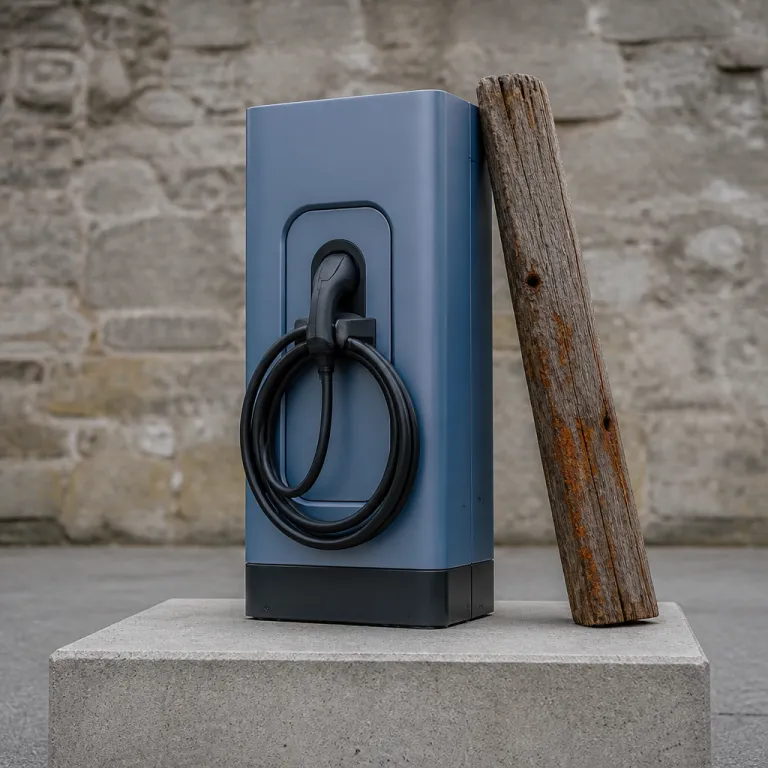
Historic inn EV charger heritage adaptation rarely starts with a charger catalogue ; it starts with a planning officer and a conservation brief. Listed building regulations often restrict visible external modifications, so hotels charging in protected settings must route underground cabling, conceal units behind stone screens or integrate chargers into existing outbuildings. The most thoughtful charging hotels turn carriage houses into subtle vehicle charging hubs, where the only visible change is a slim cable coiled beside a timber post.
For owners, this is where specialist charging solutions and expert partners matter. Roam Charging, for example, has worked with Hand Picked Hotels to deploy more than one hundred charge points across twenty heritage properties, proving that a partnership hand in hand with conservation teams can respect façades while still delivering robust infrastructure. This kind of collaboration helps hotels translate strict rules into elegant charging stations that feel like they have always belonged on the gravel drive.
Guests rarely see the engineering, but they feel the benefits in seamless guest experiences. When a hotel has invested in a resilient charging solution, from load balancing to clear signage, the charging experience becomes as frictionless as check in, and conscious travelers can roam without anxiety about their next top up. For a deeper look at how great properties make chargers almost invisible in the landscape or lobby, the analysis on where great hotels make the charger disappear shows how design, infrastructure and hospitality intersect.
Partners in charge: why roaming networks matter for heritage stays
Behind every successful historic inn EV charger heritage adaptation sits a technical partner willing to navigate both stonework and software. For many properties, roaming capable networks such as Roam Charging or European operators like ELECTRA remove the complexity of tariffs, maintenance and access, leaving the hotel team free to focus on hospitality. These partnerships help hotels move from a single wall box to a scalable set of charging stations that can grow as more guests arrive in electric vehicles.
AccorInvest’s collaboration with ELECTRA on Mercure and Novotel heritage properties shows how high capacity infrastructure can coexist with older buildings when carefully planned. Sites offering between 200 and 400 kW of total capacity can support multiple electric vehicle sessions at once, yet the chargers can be housed in sympathetic enclosures that echo original materials and proportions. For travelers, that means a fast charging experience without sacrificing the atmosphere that drew them to a historic property in the first place.
Roam Charging’s work with Hand Picked Hotels illustrates another key lesson for charging hotels that operate listed properties. By standardising hardware, software and support across a portfolio, a partnership hand in hand with a roaming provider helps hotels deliver consistent guest experience from the Channel Islands to rural England. To see how some properties go further and treat the charger as a design object, the feature on EV hotels where design meets function explores cases where infrastructure becomes part of the architecture rather than an afterthought.
Inside the stay: what EV guests actually notice at historic inns
For an EV driving guest, the romance of a timbered bar means little if the charger is blocked or broken. The most successful historic inn EV charger heritage adaptation projects start from the guest experience and work backwards, mapping how travelers arrive, park, plug in and move through the property. When hotels charging for overnight stays place chargers near reception, lighting and luggage routes, the charging experience feels like a natural extension of check in rather than a technical chore.
Sanctum on the Green Hotel in Berkshire offers a clear example of how this can work in practice. The 22 kW unit is positioned so that an electric vehicle can plug in while its guests head straight to the bar or terrace, with staff trained to answer basic charging questions and to add sessions to the room folio. This approach helps hotels turn installing chargers into a hospitality moment, where staff engagement, signage and simple payment options all contribute to elevated guest experiences.
Eco conscious guests also notice the small touches that signal thoughtful planning rather than greenwashing. Clear information on charging solutions in pre arrival emails, maps that show charging stations on the property plan and honest communication about power levels all help travelers plan their roam with confidence. As one industry definition puts it, “Adaptive reuse in hospitality means converting historic buildings into modern hotels”, and when that conversion includes reliable vehicle charging, the benefits extend from sustainability to stress free route planning.
Loyalty, revenue and the quiet power of a full battery
When a historic inn invests in EV infrastructure, it is not just chasing a sustainability headline. Historic inn EV charger heritage adaptation helps hotels capture a fast growing segment of conscious travelers who plan entire routes around reliable charging, often choosing picked hotels that appear on trusted EV maps. Once a property has proven itself as a dependable charging solution, those guests tend to return, recommend and extend stays, which directly supports revenue and occupancy.
Large groups such as Hilton have already shown how early moves into electric amenities can reshape brand perception among drivers of electric vehicles. While not every heritage property can match a global chain’s scale, even a single well placed charger can signal that a small inn understands modern mobility and is ready to welcome an electric vehicle alongside classic cars. For owners, the benefits are tangible ; a car that remains plugged into on site charging stations overnight usually means a guest who is more relaxed, more likely to dine in and more inclined to book again.
For travelers, the lesson is simple yet powerful. When you roam across regions rich in history, prioritise properties that treat chargers as core amenities, not as afterthoughts hidden behind bins. Those are the charging hotels where historic inn EV charger heritage adaptation is not a marketing line but a lived reality, and where a full battery in the morning quietly underwrites the entire guest experience.
FAQ
What is adaptive reuse in hospitality ?
Adaptive reuse in hospitality means converting historic buildings into modern hotels. In the context of EV travel, it often includes integrating electric vehicle charging into existing courtyards, carriage houses or garages. This approach preserves character while adding the infrastructure that EV guests now expect.
Why are heritage hotels adding EV chargers ?
Heritage hotels are adding EV chargers to meet eco friendly traveler demands and to remain competitive in a market where electric vehicles are increasingly common. Reliable charging helps properties attract conscious travelers who plan routes around dependable infrastructure. It also supports longer stays and higher on site spending.
How fast is a 22 kW charger at a historic inn ?
A 22 kW charger, like the one at Sanctum on the Green Hotel, is typically an AC unit that suits overnight or long dinner stops. Many modern electric vehicles can add a substantial amount of range during a multi hour stay, often enough to continue a road trip comfortably the next day. For most guests, this level of power balances practical charging with the constraints of historic electrical systems.
What should I check before booking a historic hotel with EV charging ?
Before booking, confirm whether the property’s chargers are reserved for guests, how many charging stations are available and what connector types are supported. Ask about power levels, any fees and whether you need to pre book a charging bay. It also helps to check recent guest reviews that mention the charging experience specifically.
Do EV chargers change the character of a historic property ?
When thoughtfully installed, EV chargers do not need to alter the character of a historic property. Many listed buildings use concealed cabling, period appropriate enclosures and existing outbuildings to house infrastructure discreetly. The result is a subtle historic inn EV charger heritage adaptation where modern amenities coexist with original architecture.