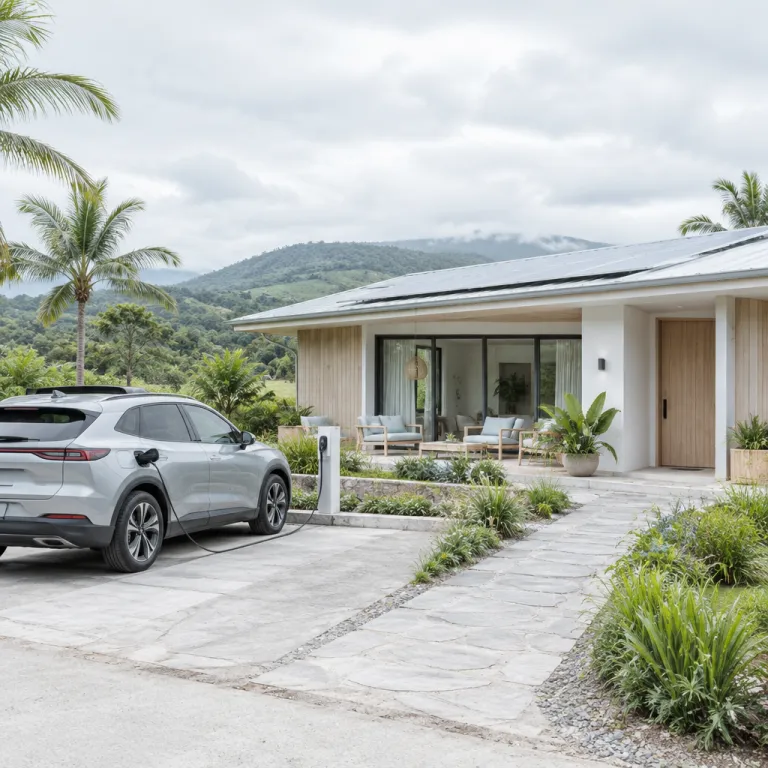
Panama ecotourism in picturesque countryside escapes for EV drivers
Panama ecotourism appeals to travellers who want refined comfort while staying close to nature. In this compact country, luxury hotels with electric car chargers now appear in serene countryside areas, allowing guests to explore rainforests and beaches without sacrificing convenience. For EV drivers, this blend of eco friendly infrastructure and high end service turns Panama into a practical ecotourism destination rather than a distant dream.
The country sits at the heart of Central America, linking Latin America from costa to costa and creating a corridor of extraordinary biodiversity. In rural regions beyond Panama City, premium properties with charging stations give access to national parks, tropical rainforests, and quiet river valleys where indigenous communities still shape local tourism. These places show how Panama offers both sophisticated stays and meaningful conservation experiences in the same journey.
Many travellers compare Panama itineraries with routes in Costa Rica, another eco tourism leader in the region. While Costa Rica and Panama share similar tropical rainforests and rich wildlife, Panama ecotourism often feels more intimate, with fewer crowds in remote areas and more direct contact with local guides. For EV guests, the growing network of chargers at countryside hotels makes it easier to combine bird watching, beach time, and cultural visits without worrying about range.
Luxury countryside stays with EV chargers near national parks
In the highlands around Boquete and Volcán Barú National Park, Panama ecotourism takes on a cool mountain character. Here, luxury lodges with on site electric car chargers sit among coffee plantations, cloud forests, and rivers rich in freshwater life. Guests can leave their EV charging overnight while they sleep, then drive at dawn to trailheads for bird watching or guided walks in protected areas.
These national parks protect some of the most important biodiversity in Central America, including rare migratory birds that move between Panama and Costa Rica. Carefully managed tourism supports conservation projects that monitor wildlife, restore degraded areas, and work with nearby indigenous communities on sustainable tourism initiatives. When you choose an eco friendly countryside hotel with chargers, your stay directly supports this model of ecotourism Panama is quietly perfecting.
Travellers who already know refined mountain retreats in Europe, such as luxury hotels in the Dolomites for electric car travellers, often appreciate how Panama offers a similar balance of scenery and comfort. The difference lies in the tropical setting, where national parks shelter tropical rainforests instead of alpine peaks, and where a short drive connects you from cool valleys to a warm Pacific beach. This contrast makes Panama top of mind for EV guests seeking both climate variety and reliable charging.
Coastal eco retreats and EV ready routes between city and beach
Along the Pacific side, the Panama Costa corridor between Panama City and the Azuero Peninsula has become a key route for Panama ecotourism by car. Upscale coastal hotels now combine ocean views, discreet electric car chargers, and guided excursions to nearby mangroves, marine national parks, and quiet beach villages. This makes it easy to move from the busy city to tranquil eco retreats without compromising on comfort or sustainability.
Panama City itself remains the main gateway for international tourism, yet many EV travellers treat it as a short stop before heading to countryside areas. After a night in a premium city hotel with fast chargers, guests can drive towards the interior, following routes that link rainforests, agricultural valleys, and coastal conservation zones. Carefully planned eco tourism itineraries along this axis highlight how the country integrates infrastructure, nature, and hospitality.
For travellers who enjoy elegant waterside stays, the model of countryside charm with EV ready stays in other regions translates well to Panama’s coastal landscapes. Here, eco friendly seaside properties support marine conservation, turtle monitoring, and responsible fishing tourism while offering refined dining and spa experiences. This approach positions ecotourism Panama as a leader in Latin America for guests who want both environmental responsibility and polished service.
Islands, species rich habitats, and EV supported excursions
Island escapes form another pillar of Panama ecotourism, especially in the Gulf of Chiriquí and Bocas del Toro archipelago. While you cannot drive your EV onto every island, countryside hotels with chargers on the mainland act as comfortable bases for day trips by boat. Guests return from snorkeling, beach picnics, or guided nature walks to find their vehicle fully charged and ready for the next leg of the journey.
These island areas host coral reefs, mangroves, and tropical rainforests that shelter countless marine creatures and coastal birds. Many properties work with conservation groups to protect nesting sites, monitor turtle populations, and reduce plastic waste from tourism. Choosing eco friendly accommodation in these regions supports sustainable tourism models that keep Panama’s coastal biodiversity intact for future visitors.
Some islands and coastal zones are part of or adjacent to a UNESCO World Heritage Site, underlining their global ecological value. Responsible tourism operators limit group sizes, encourage low impact activities such as kayaking and bird watching, and collaborate with indigenous communities on cultural experiences. For EV travellers, this means you can enjoy rich nature based excursions while your car charges quietly at a mainland retreat that respects both land and sea.
Indigenous communities, cultural heritage, and countryside EV stays
Panama ecotourism is not only about landscapes; it is also about people whose traditions shape the country’s identity. Several indigenous communities, including Guna, Emberá, and Ngäbe groups, welcome visitors through carefully managed cultural tourism programs. When these experiences are paired with luxury countryside hotels that provide electric car chargers, guests can engage deeply while maintaining a low carbon footprint.
In rural areas near national parks and river valleys, community guides lead walks through tropical rainforests, explain medicinal plants, and share stories about ancestral conservation practices. These encounters show how indigenous knowledge has long protected species and habitats that modern ecotourism now celebrates. By staying in eco friendly properties that partner fairly with local communities, travellers support both cultural heritage and sustainable tourism income.
Some of the most meaningful ecotourism destination projects in Panama and Costa Rica involve joint ventures between indigenous communities, conservation organisations, and high end hospitality brands. This model ensures that tourism revenue funds schools, health services, and park rangers while maintaining high standards of comfort for guests. For EV drivers, countryside hotels on these routes provide reliable charging, making it easier to visit remote villages without logistical stress.
Designing an EV friendly Panama ecotourism itinerary
Planning a refined EV journey through Panama starts with mapping national parks, countryside hotels, and charging points into a coherent route. Many travellers begin in Panama City, then drive west along the Panama Costa corridor before heading into the highlands and finally towards island gateways. This loop connects city energy, rural calm, and coastal beauty while keeping daily driving distances manageable for most electric vehicles.
When comparing options across Central America, some guests combine Costa Rica and Panama in a single itinerary. In that case, it helps to book eco friendly hotels with chargers on both sides of the border, especially near shared ecosystems such as tropical rainforests and cross border national parks. This approach turns the region into one continuous ecotourism destination, where wildlife and migratory birds move freely even as travellers cross from one country to another.
For inspiration on coastal luxury with EV infrastructure, travellers often look at refined oceanfront EV ready stays and then seek similar standards in Panama. While each city, island, and beach has its own character, the underlying principle remains the same: combine elegant design, reliable charging, and strong conservation commitments. This is how Panama offers a Panama top experience for EV guests who value both comfort and environmental responsibility.
Why EV ready countryside hotels matter for sustainable tourism
The growth of EV ready countryside hotels is reshaping Panama ecotourism by aligning luxury travel with climate goals. Electric vehicles reduce local air pollution in fragile areas, especially around national parks and small villages where species and people are sensitive to exhaust fumes. When hotels invest in chargers and renewable energy, they extend this eco friendly impact across the entire guest journey.
In Latin America, Panama stands out because its compact geography allows travellers to move from city to rainforest to beach in a single day. This density of experiences could strain ecosystems if tourism grows without strong conservation policies and infrastructure. By prioritising sustainable tourism, supporting national parks, and working with indigenous communities, the country positions itself as a responsible leader in Central America.
For travellers who care about nature, biodiversity, and cultural heritage, choosing EV ready hotels becomes a practical way to support ecotourism Panama initiatives. Each booking helps fund park management, species monitoring, and community projects that protect both landscapes and livelihoods. Over time, this network of countryside escapes, from highland valleys to coastal areas, will define how Panama offers its most refined and responsible experiences to the world.
Key figures shaping Panama’s eco tourism landscape
- Panama protects more than 30 percent of its land and marine territory through national parks and other conservation areas, placing the country among regional leaders in protected surface per square kilometre in Central America (figures reported by the Ministry of Environment of Panama).
- The Mesoamerican Biological Corridor, which links Costa Rica, Panama, and neighbouring states, is recognised for its exceptional concentration of species, underlining why both countries are considered top ecotourism destination choices in Latin America (information referenced by the United Nations Environment Programme).
- Bird watching tourism in Panama benefits from the presence of more than 1,000 recorded bird species, a density that rivals or exceeds many larger countries and supports specialised eco tourism operators (data compiled by the Panama Audubon Society).
- According to the International Energy Agency, electric car sales in Latin America have grown steadily over the last decade, encouraging more hotels in Panama and Costa Rica to install EV chargers as part of their eco friendly infrastructure.
- UNESCO lists the Darién National Park as a World Heritage Site for its exceptional biodiversity and role as a bridge between tropical rainforests of North and South America, reinforcing the conservation value of Panama’s eastern regions.
FAQ about Panama ecotourism and EV friendly countryside stays
Is Panama suitable for an electric vehicle road trip focused on ecotourism?
Panama is increasingly suitable for an electric vehicle road trip, especially for travellers interested in national parks and countryside escapes. The main corridors between Panama City, the Pacific coast, and the western highlands now feature hotels and service areas with chargers. Planning ahead and booking EV ready properties ensures a smooth journey that supports sustainable tourism.
How does Panama compare with Costa Rica for eco tourism experiences?
Costa Rica has a longer history of eco tourism branding, but Panama offers a more compact geography with fewer crowds in many areas. Both countries protect large portions of tropical rainforests and share similar wildlife and birdlife. Travellers who value quieter trails and strong cultural experiences with indigenous communities often find Panama ecotourism particularly rewarding.
Can I visit indigenous communities while staying in luxury countryside hotels?
Yes, several regions in Panama offer high end countryside hotels that partner with nearby indigenous communities on guided visits. These experiences typically include river trips, forest walks, and cultural presentations designed around conservation and respectful tourism. Booking through reputable operators ensures that your visit benefits local people and aligns with sustainable tourism principles.
Are island and beach destinations in Panama accessible for EV travellers?
Many island and beach destinations are accessible by driving your EV to a coastal town, then continuing by boat. Countryside hotels with chargers near ports such as those serving Bocas del Toro or the Gulf of Chiriquí make this combination practical. You can enjoy island nature, beaches, and marine national parks while your vehicle charges safely on the mainland.
What should I look for when choosing an eco friendly hotel with EV chargers in Panama?
When choosing an eco friendly hotel, check for reliable EV charging options, clear conservation policies, and partnerships with national parks or local communities. Look for certifications or transparent sustainability reports rather than vague marketing language. Properties that support biodiversity monitoring, waste reduction, and fair employment usually provide the most authentic Panama ecotourism experiences.