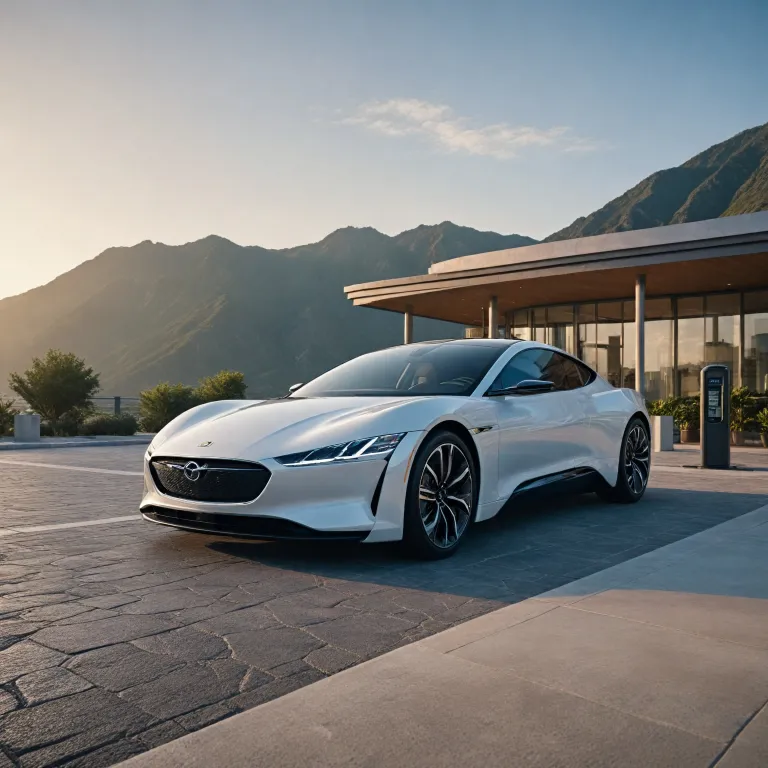
Why luxury travellers now expect rapid level 3 electric car charging
In high end hospitality, the expectation of seamless mobility now includes rapid level 3 electric car charger access on site. Guests who arrive in an electric vehicle want a charging station that matches the property’s service standards, with fast charging that feels as effortless as valet parking. For many premium travellers, the presence of several level chargers has become a deciding factor when comparing hotels of similar category.
Level 3 charging, also called DC fast charging, delivers very high power directly to the car battery and dramatically shortens every charge. This level charging solution is designed for en route top ups rather than overnight car charging, which makes it ideal for luxury hotels positioned on major corridors or near airports. When a vehicle charger can add significant range in around thirty minutes, guests can enjoy a relaxed drink or spa treatment while their electric car quietly regains autonomy.
From an operational perspective, installing a certified DC charger electric system signals long term commitment to sustainable mobility and premium service. Hotels that integrate robust charging infrastructure with multiple charging stations can attract both private electric vehicles and professional drivers who value reliability. As more brands launch high performance electric car models, the properties that offer powerful car charger facilities will stand out in a crowded luxury landscape.
Understanding level 3 charging performance, power and pricing at hotels
For guests, the most important aspects of a level 3 electric car charger at a hotel are power, price transparency and ease of use. A typical DC charging station in an upscale property will offer high power output, enabling fast charging sessions that fit naturally between check in and dinner. Many hotels now publish the charging level, expected charge time and approximate price per kilowatt hour directly on their booking pages.
Because a level charger delivers direct current at substantial power, not every electric vehicle can use the maximum capacity of the chargers. Travellers should verify whether their electric vehicles support DC fast chargers and which plug standard they require, such as CCS or the increasingly common NACS connector. Some hotels provide more than one vehicle charger type, ensuring that both a Tesla car and other electric car brands can access suitable charging stations without adapters.
Premium properties often invest in high quality EVSE hardware, including a robust charger cable and clearly marked parking bays. Guests will usually find a long foot cable that reaches different vehicle charging ports, whether they are positioned at the front, rear or side of the car. When hotels communicate the available charging infrastructure, charger level and any idle fees in advance, travellers can plan their route and budget with confidence.
Designing a luxury arrival experience around the charging station
In a refined hotel, the charging station is no longer a purely technical corner but part of the arrival ritual. Valet teams trained in electric vehicle handling can guide guests to the appropriate car charger, connect the charger cable and confirm the selected charging level. This transforms vehicle charging from a chore into a discreet service touchpoint aligned with the rest of the guest journey.
Thoughtful design details matter, from weather protected chargers to clear signage that differentiates level chargers from slower AC options. Many luxury hotels integrate fast chargers close to the main entrance, allowing guests to step directly into the lobby while their electric car begins to charge. Lighting, landscaping and premium paving around the charging stations can subtly communicate that this is a priority amenity rather than an afterthought.
Some properties coordinate charging delivery with other services, timing a fast charging session to coincide with luggage handling or in room check in. When a certified attendant monitors the charging station area, guests feel reassured about both safety and correct use of the EVSE equipment. In this context, the level 3 electric car charger becomes part of a broader hospitality narrative that values time, comfort and sustainable travel.
Booking strategies when no dedicated EV category exists on hotel sites
Many luxury and premium booking platforms still lack a specific filter for hotels with a level 3 electric car charger, which complicates planning. Travellers should therefore combine several tactics, starting with reading amenity descriptions carefully for mentions of DC fast charging or high power charging stations. When information is unclear, a direct message to the property asking about charger level, plug type and charging infrastructure can prevent unwelcome surprises on arrival.
It is important to distinguish between simple car charging via wall mounted AC units and genuine fast chargers suitable for en route electric vehicles. Guests should ask whether the hotel offers a dedicated charging station with DC power, what price structure applies and whether Tesla compatible plugs or NACS connectors are available. Clarifying whether the EVSE is public or reserved for hotel electric car guests also helps avoid competition with external users.
Specialist guides can assist, and one detailed example is this article on luxury stays with integrated electric car charging in Miami Beach. Even when a booking engine does not list vehicle charging as a category, cross checking such resources with hotel websites can reveal hidden fast charging gems. Until major platforms introduce a clear level charging filter, informed guests will continue to rely on a mix of research, direct contact and expert recommendations.
Technical essentials for hotel guests using fast chargers on the road
Before relying on a hotel’s level 3 electric car charger, guests should understand a few technical fundamentals. First, not every electric vehicle accepts DC fast charging, and some models limit the maximum charging level they can safely handle. Checking the vehicle manual or manufacturer app will confirm compatibility with fast chargers, supported plug types and recommended fast charging frequency.
Second, travellers should carry any necessary adapter if their car uses a different plug standard from the hotel charging station, particularly for Tesla owners in regions transitioning to NACS. A long foot cable at the EVSE can help, but it cannot compensate for an incompatible vehicle charger inlet. Guests should also note that charging speed tapers as the battery approaches higher percentages, so planning to charge from a lower state of charge can make better use of the available power.
Finally, it is wise to monitor the session through the vehicle charging app or the hotel’s interface, especially when several chargers share the same power source. Shared charging infrastructure may reduce peak power when multiple electric vehicles charge simultaneously, slightly extending fast charging times. By understanding these nuances, guests can align their expectations with real world performance and enjoy reliable car charging throughout their journey.
Future trends in luxury hotels with level 3 charging and guest expectations
Luxury hotels are increasingly partnering with electric vehicle manufacturers and charging network providers to offer advanced level 3 electric car charger solutions. As ultra fast chargers with higher power outputs become more common, a brief stop at a charging station could soon rival the convenience of traditional fuel delivery. Properties that invest early in scalable charging infrastructure will be well positioned as electric vehicles move from niche to mainstream among affluent travellers.
Emerging standards such as NACS plugs and more interoperable EVSE platforms will simplify vehicle charging for guests who drive different brands. We can expect more hotels to integrate real time charging station data into their apps, allowing guests to reserve a car charger bay alongside their suite. Transparent price information, clear charger level labelling and guaranteed availability windows will become part of the core promise for premium electric car drivers.
Environmental credentials also play a growing role, with some properties sourcing renewable power for their fast chargers to reduce the footprint of every charge. As expectations rise, the presence of multiple fast chargers, varied plug options and attentive staff support will influence how guests rate their stay. In this evolving landscape, the level 3 electric car charger is no longer a technical accessory but a defining feature of modern luxury hospitality.
Key statistics on level 3 charging performance in hospitality settings
- Typical DC fast charging power output for a level 3 charging station in hotel environments often starts around 50 kW, enabling substantial range recovery during a short stay.
- Many level 3 chargers are designed to bring an electric vehicle battery from a low state of charge to approximately 80 percent in about 30 minutes under optimal conditions.
- For hotel owners evaluating investment, the estimated equipment cost for a single commercial grade DC fast charger can be in the range of 20 000 USD, excluding installation and grid upgrades.
Frequently asked questions about level 3 electric car chargers at hotels
Can I install a Level 3 charger at home?
Due to high power requirements and costs, Level 3 chargers are typically not suitable for residential installation.
Are all EVs compatible with Level 3 chargers?
Not all EVs support Level 3 charging; compatibility depends on the vehicle's design and charging capabilities.
How much does it cost to use a Level 3 charger?
Costs vary by provider and location, typically ranging from $0.30 to $0.70 per kWh.