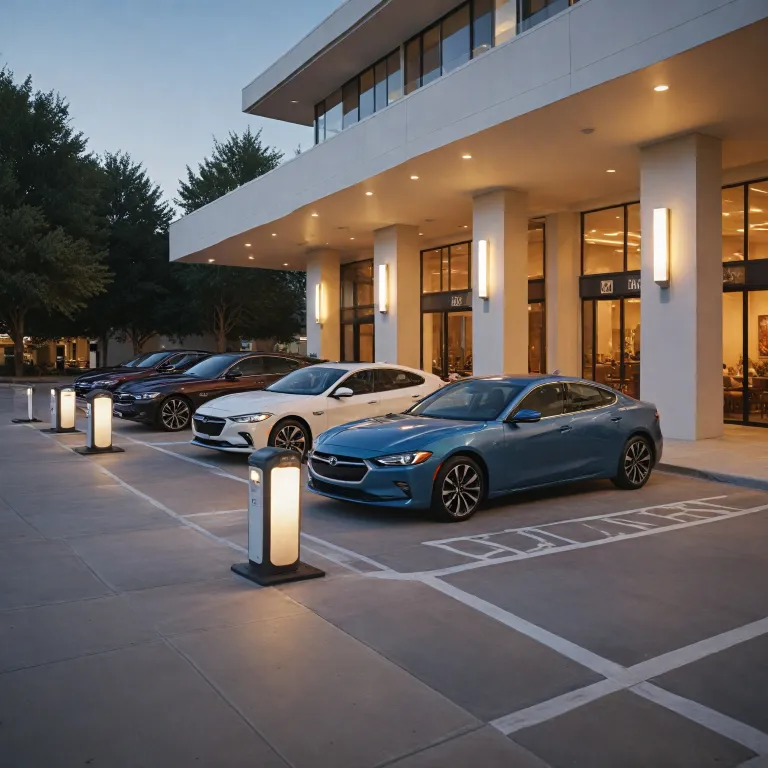
Why EV charging interoperability matters for luxury hotel guests
For premium travellers driving an electric vehicle, seamless charging is now part of the expected guest experience. When a luxury hotel promotes electric vehicle chargers yet fails to support common standards, the stay can quickly turn from indulgent to frustrating. These ev charging standard interoperability problems case studies show how technical gaps directly affect booking decisions.
Interoperability challenges arise when vehicle charging systems, hotel charging infrastructure and back end management platforms do not communicate reliably. A guest may arrive with one of several electric vehicles, only to find that the public charging station in the car park rejects their card or fails mid session. Research on public chargers has already shown that only 72.5% of public DC fast chargers in the Greater Bay Area were functional, and this reliability issue echoes in hotel environments.
For luxury properties, the stakes are higher because guests expect flawless service and discreet problem solving. When charging stations fail, staff must manage real time guest expectations while dealing with opaque systems and fragmented charging networks. These ev charging standard interoperability problems case studies highlight how even well funded charging infrastructure can be undermined by software incompatibilities, outdated firmware and poor load management.
In practice, this means that fleet managers for high end chauffeur services hesitate before committing to fleet electrification partnerships with hotels. They worry about demand charges, unpredictable power distribution and the risk that vehicle fleets will leave without sufficient energy for the next transfer. Understanding these charging industry challenges is now essential for any premium hotel planning serious electrification.
Security vulnerabilities and their impact on guest confidence
Interoperability is not only about plugs and payment cards, it is also about security. Studies on charging systems have revealed that a wireless attack can disrupt the communication between EVs and chargers, causing charging sessions to abort. This so called Brokenwire scenario shows how fragile some charging infrastructure systems remain when exposed to targeted interference.
Another line of research has shown that an attack can manipulate the charging states or rates of EV chargers, potentially causing denial of service or degrading battery performance. For a luxury hotel that markets premium electric vehicle charging, such vulnerabilities threaten both guest satisfaction and brand reputation. These ev charging standard interoperability problems case studies underline that fragmented standards make coordinated security hard to achieve.
When a property relies on several vendors for charging stations, smart charging software and payment gateways, responsibility for security becomes blurred. A single compromised component in the charging network can affect multiple vehicles, especially when fleet charging is involved for limousine services. Guests may never hear the technical details, yet they immediately feel the impact when a charging station suddenly stops in real time.
For hotels, the answer lies in rigorous vendor selection, clear regulatory compliance checks and continuous infrastructure upgrades. Management teams should request independent case studies from suppliers that demonstrate resilience against such attacks. By aligning charging infrastructure planning with robust cybersecurity practices, luxury properties can maintain guest trust while still offering advanced electric vehicle services.
From public research to private hotel car parks
Most headline research on charging reliability focuses on public infrastructure, yet the lessons translate directly to hotel environments. When studies show that a significant share of public chargers are non functional at any given time, it signals similar risks for private charging stations installed without strict performance monitoring. These ev charging standard interoperability problems case studies therefore provide a valuable blueprint for hospitality decision makers.
In many destinations, especially in regions like california with dense electric vehicle adoption, hotels compete on the quality of their charging infrastructure. Guests compare not only the number of chargers but also the reliability of each charging station and the clarity of the user interface. If a property cannot guarantee stable power distribution and effective load management, even a large number of charging stations may fail during peak demand.
Researchers have used empirical testing of charging systems, simulation of attack scenarios and detailed analysis of charging session failures to map these weaknesses. Their findings encourage hotels to treat charging infrastructure as a living system rather than a one time capital project. Continuous monitoring, firmware updates and data driven planning are essential to keep vehicle charging experiences aligned with luxury service standards.
For premium travellers, this translates into visible reliability, from clear signage to responsive support when challenges arise. Hotels that integrate lessons from these case studies into their energy and infrastructure planning can position themselves as safe havens for electric vehicles. Over time, this reputation supports higher occupancy from guests who prioritise sustainable travel and dependable charging.
Designing hotel charging for both individual guests and vehicle fleets
Luxury hotels increasingly serve two distinct electric charging audiences, individual guests and professional vehicle fleets. Private travellers may need overnight charging for a single electric vehicle, while fleets require coordinated charging for multiple vehicles within tight schedules. These different patterns expose ev charging standard interoperability problems case studies in unique ways.
For individual guests, the main challenges involve straightforward access, transparent pricing and compatibility with various electric vehicles. A well designed charging network should support roaming agreements, multiple payment options and smart charging features that adapt to real time grid conditions. When systems fail to interoperate, guests face aborted sessions, confusing error messages and unnecessary demand charges on their bills.
For fleets, the complexity increases because fleet managers must coordinate energy use, route planning and regulatory compliance. Fleet charging at hotels can strain local power distribution if load management is not carefully configured, especially during evening peaks. Poorly planned infrastructure upgrades may leave vehicle fleets competing with guest rooms and kitchens for limited power capacity.
Hotels that wish to attract premium fleet electrification partnerships need robust management systems that integrate with external fleet platforms. Detailed case studies on successful fleet charging deployments can guide decisions on charger placement, power levels and back end systems. By aligning charging infrastructure with both guest and fleet needs, properties can transform their car parks into strategic energy assets rather than operational risks.
Interoperability as a differentiator in luxury booking journeys
For travellers browsing a luxury and premium booking website for hotels with electric car chargers, interoperability rarely appears as a filter. Yet beneath the elegant photos and concise amenities lists, ev charging standard interoperability problems case studies heavily influence real world satisfaction. Guests who have previously faced unreliable charging infrastructure will quietly prioritise properties with proven performance.
Forward looking booking platforms now request detailed information on charging systems, including the number of chargers, supported standards and smart charging capabilities. They may highlight hotels that use advanced load management to balance energy use across charging stations and other facilities. Some platforms even reference independent case studies to reassure guests that the charging network has been tested under demanding conditions.
Content teams can enhance trust by explaining how hotels manage power distribution, demand charges and infrastructure upgrades behind the scenes. Linking to in depth editorial pieces on energy efficient and environmentally certified stays, such as this analysis of refined eco conscious properties in Tenerife at energy efficient environmentally certified stays in Tenerife, helps contextualise charging within broader sustainability strategies. This approach turns technical charging industry topics into engaging narratives for discerning guests.
For hotel partners, appearing on such curated platforms becomes an incentive to improve charging infrastructure planning and management. Properties that can demonstrate reliable electric vehicle charging, resilient systems and thoughtful electrification strategies gain a competitive edge. Over time, these efforts transform interoperability from a hidden risk into a visible hallmark of premium hospitality.
Practical steps for hotels to address interoperability challenges
Luxury hotels seeking to address interoperability must begin with a clear audit of existing charging infrastructure. This includes cataloguing all charging stations, communication protocols, back end systems and any integrations with fleet management platforms. By mapping these elements, management can identify where ev charging standard interoperability problems case studies are most likely to emerge.
Next, properties should engage with vendors that actively participate in interoperability testing and publish transparent case studies. Suppliers who reference research on wireless disruption and state switching attacks demonstrate awareness of evolving threats. Collaboration with academic partners, industry stakeholders and regulatory bodies can further strengthen the security and reliability of the charging network.
Operationally, hotels need procedures for real time monitoring of chargers, including alerts for failed sessions and abnormal power distribution. Smart charging platforms that support dynamic load management help control demand charges while maintaining adequate energy for all connected electric vehicles. These systems are particularly valuable when supporting both guest vehicles and professional vehicle fleets on the same site.
Finally, communication with guests should be clear, concise and reassuring, from booking confirmation emails to on site signage. Explaining the availability of support, the type of charging infrastructure and any limitations helps align expectations with reality. By treating vehicle charging as a core hospitality service rather than a peripheral amenity, luxury hotels can turn interoperability challenges into opportunities for leadership.
Key statistics on EV charging reliability and security
- Functional public DC fast chargers in Greater Bay Area : 72.5%.
- Range of Brokenwire wireless disruption attack effectiveness : 47 metres.
Frequently asked questions about EV charging interoperability in hospitality
What is the 'Brokenwire' attack?
A wireless attack that disrupts the communication between EVs and chargers, causing charging sessions to abort.
How reliable are public DC fast chargers?
A study found that only 72.5% of public DC fast chargers in the Greater Bay Area were functional.
What is the 'ChargeX' attack?
An attack that manipulates the charging states or rates of EV chargers, potentially causing denial of service or degrading battery performance.