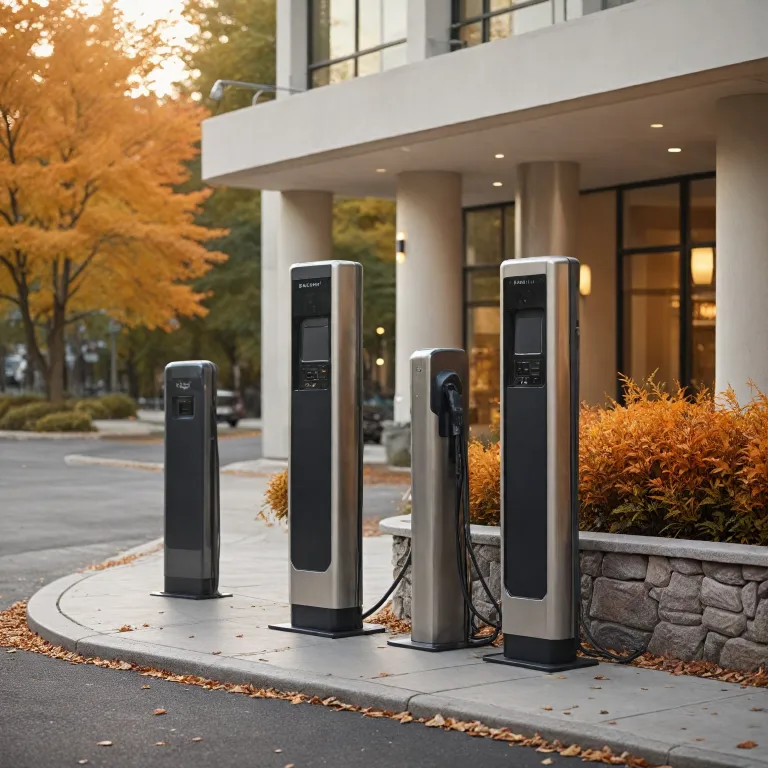
October travel industry news and the rise of EV ready luxury stays
October travel industry news october 2025 has become a reference point for travelers who expect seamless charging alongside refined hospitality. In the United States, international travel and domestic travel trends now intersect with the rapid growth of electric vehicles, especially in the premium and luxury segments. For many international travelers, a hotel without reliable chargers already feels as outdated as a lobby without Wi Fi.
Policy shifts have added complexity to this landscape, particularly for the international inbound market that fuels high end urban hotels. The new 250 dollar visa fee has raised concerns about international visitor sentiment, while the government shutdown temporarily closed major attractions in Washington, D.C. and reduced hotel revenue by nearly 9 percent compared with the previous october total. These developments dominate travel industry news october 2025 and influence how investors evaluate long term travel tourism demand for EV focused properties.
Industry advocates warn that additional friction, such as proposed social media inspections for international air arrivals, could further depress international visits and total international spending. As Geoff Freeman stated, "What is the new U.S. visa fee introduced in October 2025?" and "How did the October 2025 government shutdown affect tourism in Washington, D.C.?" and "What are the concerns regarding the proposed social media inspections for international travelers?". These questions echo through every boardroom where airlines, hotel groups, and Brand USA partners discuss travel forecast scenarios and the resilience of inbound travel.
How policy shocks shape international inbound demand for EV focused hotels
For luxury hotels with electric car chargers, international inbound demand is especially sensitive to policy shocks highlighted in october international briefings. The combination of higher visa fees and a government shutdown has already reduced international travel volume, with the U.S. Travel Association estimating a 4 billion dollar loss to the national travel economy. When international air capacity is restored but confidence lags, premium properties that rely on long haul travelers must work harder to justify higher spending.
International visitor behavior is also shifting as travelers weigh the total cost of a trip, including air passenger fares, visa charges, and on the ground mobility. A 250 dollar fee can represent several percent of the total budget for some travelers, especially when combined with rising airlines surcharges and urban parking costs. For guests who rent electric vehicles, a hotel that offers complimentary charging can offset part of this additional spending and subtly rebalance perceived value.
Data from tourism office analysts and NTTO reports show that international visits to gateway cities are recovering unevenly compared with domestic travel. Washington, D.C. illustrates how a government shutdown can abruptly reduce visitor volume and hotel occupancy, particularly when federal museums and monuments close. In this context, properties that promote EV charging, curated local experiences, and flexible business services can capture a larger share of the remaining travel tourism demand, even when total international arrivals soften.
EV charging as a new metric of luxury in hospitality and tourism
Within hospitality, EV charging has moved from amenity to expectation for a growing segment of premium travelers. October travel industry news october 2025 repeatedly links international travel trends with sustainability commitments, and high end hotels are under pressure to align with these values. For guests arriving by international air and then renting an electric car, the presence of fast chargers can determine both booking choice and length of stay.
Business travelers increasingly combine meetings with leisure, and many now expect to charge overnight while they sleep or dine. When a property offers multiple chargers, clear signage, and transparent pricing, it signals operational maturity and respect for the visitor experience. Conversely, a single slow charger shared among many travelers can damage reviews, reduce repeat business, and erode the perceived percent value of premium room rates.
Forward looking brands integrate EV infrastructure into broader travel tourism narratives about reduced emissions and smarter urban mobility. Some collaborate with airlines and Brand USA style campaigns to promote routes where international inbound guests can rely on electric mobility from airport to hotel. Others publish detailed data on charger uptime, energy sourcing, and total kilowatt volume, treating these metrics with the same seriousness as occupancy, average daily rate, and air passenger arrivals in their travel forecast models.
Designing premium booking journeys for EV driving international travelers
Despite the prominence of october travel industry news october 2025, many booking platforms still lack filters for hotels with electric car chargers. This gap frustrates international travelers who plan complex itineraries that combine international air segments, domestic travel by road, and multiple overnight stops. A refined booking experience should surface EV ready options as clearly as room categories, wellness facilities, or business services.
Luxury focused platforms can enhance trust by integrating verified charger data, including connector types, charging speed, and real time availability. When a visitor sees accurate information about charger volume and location, they are more likely to commit to higher spending on suites or extended stays. Transparent mapping of chargers relative to parking bays, entrances, and accessible rooms also supports inclusive travel tourism and reassures guests arriving late after long air passenger journeys.
Some innovators now link hotel inventories with specialized EV content, such as this guide to energy efficient, environmentally certified stays in Tenerife for refined eco conscious travellers. By curating editorial stories alongside transactional tools, platforms help international inbound guests interpret october international policy changes, compare destinations, and understand how government shutdown risks might affect their routes. This blend of data, narrative, and service strengthens Brand USA style positioning and supports a more resilient national travel ecosystem.
Revenue, data, and risk management for EV centric luxury hotels
For hotel owners, october travel industry news october 2025 underscores the need to treat EV charging as both a guest service and a revenue management lever. Detailed data on charger usage, length of stay, and ancillary spending can reveal how international visitor segments behave compared with domestic guests. When analyzed alongside NTTO statistics on international inbound flows and airlines capacity, these insights inform pricing strategies and capital planning.
During periods of reduced inbound travel, such as a government shutdown or visa policy shock, EV chargers can attract higher value domestic travel segments. Road trip travelers who prioritize sustainability often spend a greater percent of their budget on premium rooms, wellness, and dining. Hotels that bundle charging with late checkout or lounge access can increase total revenue per passenger equivalent, even when overall travel volume declines.
Risk management also extends to communications, especially when october international headlines highlight social media inspections or security debates. Clear pre arrival messaging about parking, charging, and any local tourism office advisories helps maintain trust among cautious travelers. By aligning with Brand USA campaigns and national travel guidance, properties can reassure guests that their journey from international air gateway to EV equipped room will remain smooth, even when policy environments shift quickly.
Practical guidance for travelers booking EV friendly luxury stays
For travelers reading october travel industry news october 2025 and planning a high end stay, a few checks can significantly improve the experience. Before booking, verify visa requirements, fees, and any current government shutdown risks that might affect attractions in your chosen city. When flying international air into the United States, allow extra time for potential social media inspections and other entry procedures that may influence total journey time.
On the accommodation side, confirm not only whether chargers exist but also their type, speed, and number relative to room count. Ask the hotel or booking platform for data on typical charger occupancy at peak times, and whether spaces can be reserved for international visitor arrivals after late air passenger flights. Clarify pricing in advance, including whether charging is included in room rates or billed separately, and how this affects your overall spending percent compared with alternative properties.
Finally, consider how your stay fits into broader travel tourism patterns and sustainability goals. Choosing EV friendly hotels supports inbound travel ecosystems that invest in cleaner infrastructure and more resilient hospitality. As tourism office reports and NTTO statistics evolve, informed guests who pay attention to travel forecast updates, Brand USA messaging, and national travel advisories will be better positioned to enjoy seamless, low stress journeys powered by both international travel and electric mobility.
Key statistics shaping EV focused luxury travel
- Estimated loss to the United States travel economy due to the government shutdown reached 4 000 000 000 USD, affecting hotels, airlines, and wider tourism.
- Hotel revenue in Washington, D.C. fell by nearly 9 percent in october total figures, reflecting the impact on both domestic travel and international inbound demand.
- Washington, D.C. welcomed around 27 000 000 visitors in the previous year, illustrating the scale of potential risk when government shutdown events disrupt travel volume.
Questions travelers also ask about october travel industry news
What is the new U.S. visa fee introduced in October 2025?
The new fee is set at 250 dollars and applies to most nonimmigrant visa applicants, including tourists, students, and temporary workers. Travelers from 42 Visa Waiver Program countries remain exempt, but others must factor this cost into their total international spending. For EV driving guests, this makes value added hotel services, such as complimentary charging, even more relevant when comparing properties.
How did the October 2025 government shutdown affect tourism in Washington, D.C.?
The shutdown led to the closure of major attractions such as the Library of Congress and Smithsonian museums, sharply reducing international visits and domestic travel to the capital. Local reports indicate that hotel revenue dropped by nearly 9 percent compared with the same month previously, highlighting the vulnerability of hospitality to policy disruptions. Luxury hotels with strong regional drive markets and EV charging infrastructure were better positioned to capture residual travel volume from nearby travelers.
What are the concerns regarding the proposed social media inspections for international travelers?
Industry leaders worry that requiring access to travelers social media accounts could deter some international visitor segments who value privacy. This additional friction at the border may reduce international inbound demand, affecting airlines, hotels, and destinations that rely heavily on overseas markets. For EV focused luxury properties, maintaining transparent communication and emphasizing a smooth on property experience becomes crucial to offset these broader concerns.